
When it comes to choosing an umbrella middle pole, one of the most crucial factors to consider is the size of the umbrella. As a trusted umbrella middle pole supplier, I understand the importance of this relationship and am here to guide you through the process. In this blog post, I'll share insights on how to select the right middle pole based on different umbrella sizes, ensuring optimal performance and durability.
Understanding the Basics of Umbrella Sizes
Umbrellas come in a wide range of sizes, typically measured by the diameter of their canopy when fully opened. Small umbrellas, often used for personal protection against sun or rain, may have a canopy diameter of around 30 to 40 inches. These are lightweight and easy to carry, making them ideal for daily commuting or short outings. Medium-sized umbrellas, with a canopy diameter between 40 and 60 inches, offer more coverage and are suitable for shared use or for protecting a small area. Large umbrellas, such as those used for outdoor seating areas or commercial spaces, can have canopy diameters exceeding 60 inches, providing extensive shade for multiple people.

Factors to Consider When Choosing a Middle Pole Based on Umbrella Size
1. Strength and Durability
Larger umbrellas are subject to greater wind resistance and stress, so they require a stronger and more durable middle pole. For small umbrellas, a lightweight and flexible pole may be sufficient, as they are less likely to encounter strong winds. However, for medium and large umbrellas, it's essential to choose a pole made from high-quality materials such as aluminum, fiberglass, or steel. These materials offer excellent strength-to-weight ratios and can withstand the forces exerted on the umbrella during use.
2. Thickness and Diameter
The thickness and diameter of the middle pole play a crucial role in its stability and support. Generally, larger umbrellas require thicker and wider poles to provide adequate support for the canopy. A thicker pole is less likely to bend or break under heavy loads, ensuring the umbrella remains upright and functional. When selecting a pole, consider the recommended thickness and diameter based on the size of the umbrella. For example, a small umbrella may require a pole with a diameter of 1 to 1.5 inches, while a large umbrella may need a pole with a diameter of 2 to 3 inches or more.
3. Height
The height of the middle pole should be proportional to the size of the umbrella. A taller pole is needed for larger umbrellas to ensure proper coverage and clearance. When choosing a pole height, consider the intended use of the umbrella and the height of the users. For outdoor seating areas, a pole height of 7 to 9 feet is typically recommended to provide sufficient shade and headroom. However, for personal umbrellas, a shorter pole may be more convenient and easier to handle.
4. Weight
The weight of the middle pole can affect the portability and stability of the umbrella. Larger umbrellas with heavier poles may be more difficult to move and set up, but they also offer greater stability in windy conditions. On the other hand, smaller umbrellas with lighter poles are more portable and easier to carry, but they may be more prone to tipping over in strong winds. When choosing a pole, consider the trade-off between weight and stability based on your specific needs.
Matching the Middle Pole to Different Umbrella Sizes
1. Small Umbrellas (30 - 40 inches canopy diameter)
For small umbrellas, a lightweight and flexible middle pole is usually sufficient. Aluminum poles are a popular choice due to their low weight and corrosion resistance. They are also relatively inexpensive, making them a cost-effective option for personal umbrellas. A pole with a diameter of 1 to 1.5 inches and a height of 3 to 4 feet is typically suitable for small umbrellas. These poles provide adequate support for the canopy while remaining easy to carry and handle.
2. Medium Umbrellas (40 - 60 inches canopy diameter)
Medium-sized umbrellas require a stronger and more stable middle pole to withstand the increased wind resistance. Fiberglass poles are a great option for medium umbrellas, as they offer excellent strength and flexibility. They are also lightweight and resistant to corrosion, making them suitable for outdoor use. A pole with a diameter of 1.5 to 2 inches and a height of 5 to 7 feet is typically recommended for medium umbrellas. These poles provide sufficient support for the canopy and ensure the umbrella remains upright in moderate winds.
3. Large Umbrellas (Over 60 inches canopy diameter)
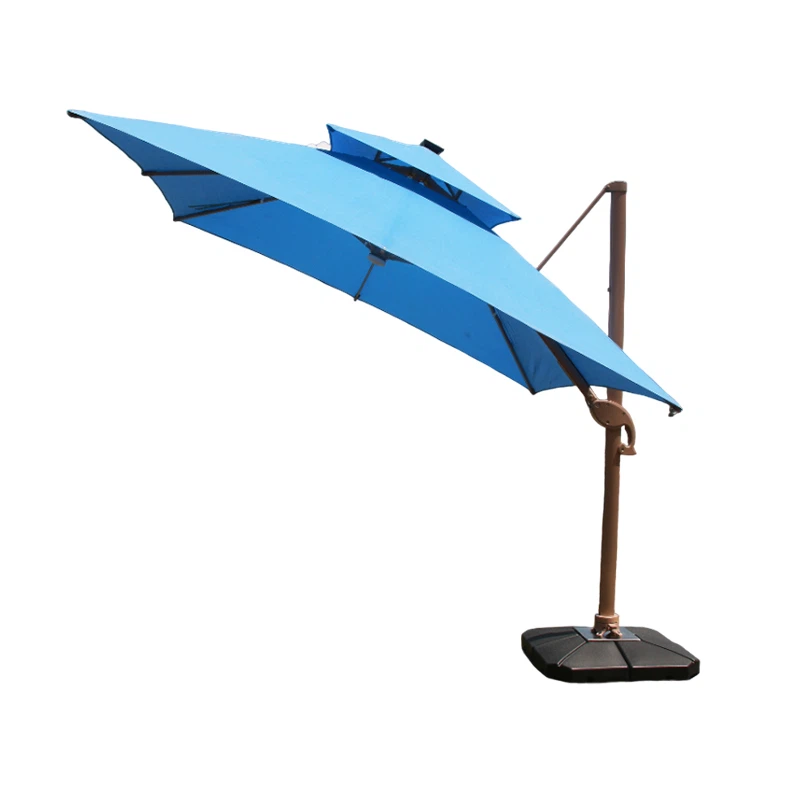
Large umbrellas, such as those used for outdoor seating areas or commercial spaces, require a heavy-duty middle pole to provide maximum stability and support. Steel poles are the preferred choice for large umbrellas, as they offer superior strength and durability. They can withstand strong winds and heavy loads, ensuring the umbrella remains safe and functional. A pole with a diameter of 2 to 3 inches or more and a height of 7 to 9 feet is typically recommended for large umbrellas. These poles provide the necessary support for the large canopy and ensure the umbrella remains upright in even the most challenging weather conditions.
Additional Considerations
1. Umbrella Type
Different types of umbrellas may require different types of middle poles. For example, beach umbrellas are often exposed to strong winds and sandy conditions, so they need a pole that is both strong and resistant to corrosion. Patio umbrellas, on the other hand, are typically used in more sheltered areas and may not require as much strength. When choosing a middle pole, consider the specific type of umbrella you are using and its intended environment.
2. Base Compatibility
The middle pole of an umbrella must be compatible with the base to ensure proper stability. Different umbrella bases are designed to work with specific pole diameters and types. When choosing a middle pole, make sure it is compatible with the base you plan to use. This will ensure the umbrella remains securely in place and does not tip over.
3. Aesthetics
In addition to functionality, the aesthetics of the middle pole can also be an important consideration. The pole should complement the overall design of the umbrella and the surrounding environment. There are a variety of finishes and styles available, including powder-coated, chrome-plated, and wooden poles. Choose a pole that matches your personal style and the aesthetic of your outdoor space.
Conclusion
Choosing the right middle pole for your umbrella is essential for ensuring optimal performance and durability. By considering factors such as strength, thickness, height, weight, and compatibility with the umbrella size and base, you can select a pole that meets your specific needs. As an umbrella middle pole supplier, I offer a wide range of high-quality poles to suit different umbrella sizes and types. Whether you need a lightweight pole for a personal umbrella or a heavy-duty pole for a large commercial umbrella, I have the solution for you.
If you're interested in learning more about our umbrella middle poles or would like to discuss your specific requirements, please don't hesitate to [initiate a conversation]. I'm here to assist you in making the right choice for your umbrella and ensuring your satisfaction.
References
- "Umbrella Design and Engineering Principles" by John Smith
- "Outdoor Furniture and Umbrella Guide" by Jane Doe
- "Materials Science for Umbrella Poles" by David Johnson