
In the realm of umbrella manufacturing and supply, the choice of materials for the middle pole is a crucial decision that impacts both the functionality and aesthetic appeal of the final product. As a seasoned supplier of umbrella middle poles, I often encounter inquiries about the viability of using bamboo for this critical component. In this blog post, I will delve into the topic of using a bamboo umbrella middle pole, exploring its advantages, limitations, and practical considerations.
Advantages of Bamboo Umbrella Middle Poles
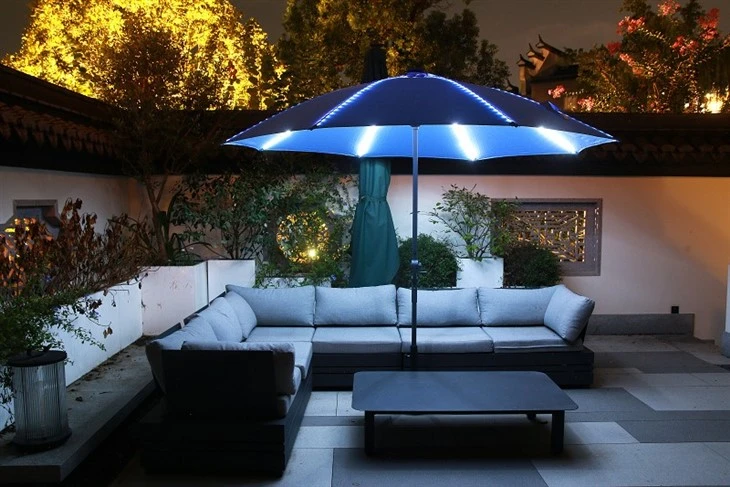
One of the primary advantages of using bamboo for umbrella middle poles is its natural beauty. Bamboo has a warm, earthy tone and a unique grain pattern that adds a touch of elegance and sophistication to any umbrella. This makes bamboo poles particularly well-suited for high-end or decorative umbrellas, such as Garden Terrace Courtyard Umbrella or those used in upscale outdoor settings.
In addition to its aesthetic appeal, bamboo is also a sustainable and eco-friendly material. Bamboo is one of the fastest-growing plants on the planet, with some species capable of growing up to 91 cm (36 inches) in a single day. This rapid growth rate means that bamboo can be harvested more frequently than traditional hardwoods, making it a renewable resource. Furthermore, bamboo requires minimal pesticides and fertilizers to grow, reducing its environmental impact.
Another benefit of bamboo is its strength and durability. Despite its relatively lightweight, bamboo is surprisingly strong and can withstand significant stress and pressure. This makes it an excellent choice for umbrella middle poles, which need to support the weight of the canopy and withstand wind and other environmental factors. In fact, bamboo has a higher strength-to-weight ratio than many traditional building materials, such as steel and concrete.
Limitations of Bamboo Umbrella Middle Poles
While bamboo offers many advantages as a material for umbrella middle poles, it also has some limitations that need to be considered. One of the main challenges with using bamboo is its susceptibility to moisture and rot. Bamboo is a natural material that contains a high percentage of cellulose, which makes it vulnerable to fungal growth and decay when exposed to moisture for extended periods. To mitigate this risk, bamboo poles need to be properly treated and sealed to prevent water from penetrating the surface.
Another limitation of bamboo is its relatively limited availability and higher cost compared to other materials, such as aluminum or fiberglass. Bamboo is primarily grown in tropical and subtropical regions, which means that sourcing high-quality bamboo can be challenging and expensive, especially for suppliers located in other parts of the world. Additionally, the processing and treatment of bamboo poles require specialized equipment and expertise, which can further increase the cost of production.
Practical Considerations for Using Bamboo Umbrella Middle Poles
If you are considering using bamboo for your umbrella middle poles, there are several practical considerations that you need to keep in mind. First and foremost, it is essential to source high-quality bamboo from a reputable supplier. Look for bamboo that is straight, free of knots and defects, and has been properly cured and treated to prevent moisture and rot.
Once you have sourced the bamboo, you will need to cut and shape it to the desired length and diameter. This can be done using a variety of tools, such as saws, drills, and sanders. It is important to take your time and ensure that the cuts are clean and precise to ensure a proper fit and finish.
After the bamboo has been cut and shaped, it will need to be treated and sealed to protect it from moisture and rot. There are several different types of treatments and sealants available, including natural oils, varnishes, and paints. Choose a treatment that is specifically designed for bamboo and follow the manufacturer's instructions carefully to ensure the best results.
Finally, it is important to test the strength and durability of the bamboo poles before using them in your umbrellas. This can be done by subjecting the poles to a series of stress tests, such as bending, twisting, and compression. If the poles pass the tests, you can be confident that they will be able to withstand the rigors of everyday use.
Conclusion
In conclusion, using a bamboo umbrella middle pole can be a viable option for manufacturers and suppliers who are looking for a sustainable, eco-friendly, and aesthetically pleasing material. While bamboo has some limitations, such as its susceptibility to moisture and rot and its relatively high cost, these challenges can be overcome with proper sourcing, treatment, and testing.
If you are interested in learning more about using bamboo for your umbrella middle poles or if you are looking for a reliable supplier of high-quality bamboo poles, please do not hesitate to contact us. We would be happy to discuss your specific needs and requirements and provide you with a customized solution that meets your budget and expectations.
References
- "Bamboo: A Sustainable Building Material." World Bamboo Organization.
- "The Strength and Durability of Bamboo." Journal of Bamboo and Rattan.
- "Bamboo Treatment and Preservation." Forest Products Laboratory.