
Ensuring the quality and durability of an umbrella middle pole is crucial, whether you're a casual umbrella user or a business in the outdoor furniture industry. As a well - established supplier of Umbrella Middle Pole, I've had extensive experience in evaluating the condition of these vital components. In this blog, I'll share some key checks and tests to determine if an umbrella middle pole is in good condition.
Visual Inspection
The first step in checking an umbrella middle pole is a thorough visual inspection. Start by looking at the pole from top to bottom.
- Surface Condition: Examine the pole's surface for any signs of scratches, dents, or rust. Scratches can be more than just aesthetic blemishes; they can also serve as starting points for corrosion, especially if the pole is made of metal. Deep dents can weaken the structural integrity of the pole, making it more likely to bend or break under stress. Rust is a clear indication of corrosion, which can severely impact the pole's lifespan. For example, if you're considering a Garden Terrace Courtyard Umbrella with a metal middle pole, rust spots near the joints can compromise its stability.
- Coating Integrity: If the pole has a protective coating, check for any peeling, chipping, or fading. A damaged coating no longer provides effective protection against the elements, leaving the underlying material vulnerable to damage. For instance, a powder - coated finish on an aluminum pole should be smooth and evenly applied. Any areas where the coating is missing or peeling may require immediate attention.
- Welds and Joints: Inspect all the welds and joints on the pole. Welds should be strong and evenly formed, without any visible cracks or gaps. Loose or cracked joints can lead to instability and make the umbrella sway or even collapse in windy conditions. In the case of a Large Outdoor Umbrella that experiences more significant wind forces, well - welded joints are essential for safety.
Structural Testing
Once the visual inspection is complete, it's time to perform some structural tests to assess the pole's strength and stability.
- Bending Test: Gently apply pressure to the pole to see how it responds. If you're dealing with a smaller umbrella pole, you can hold the pole firmly at the base and apply a light sideways force near the top. For larger poles, you may need to enlist the help of another person or use a suitable tool. A good pole should have some flexibility but should not bend excessively. If the pole bends easily or shows signs of permanent deformation, it may not be in good condition.
- Torsion Test: Twist the pole gently in both directions. Similar to the bending test, the pole should resist torsion without excessive movement or a feeling of looseness. Excessive torsion may indicate that the internal structure of the pole is compromised, which could lead to failure over time.
- Load - Bearing Test: If possible, simulate the weight of the umbrella canopy and any additional accessories that may be attached to the pole. You can use weights or a bag filled with a similar amount of weight. Hang the load from the top of the pole and observe how the pole reacts. The pole should be able to support the load without sagging or bending significantly. If the pole sags under the weight, it may not be strong enough to withstand the normal use of the umbrella.
Material Analysis
Understanding the material of the umbrella middle pole is essential for assessing its condition. Different materials have different properties and vulnerabilities.
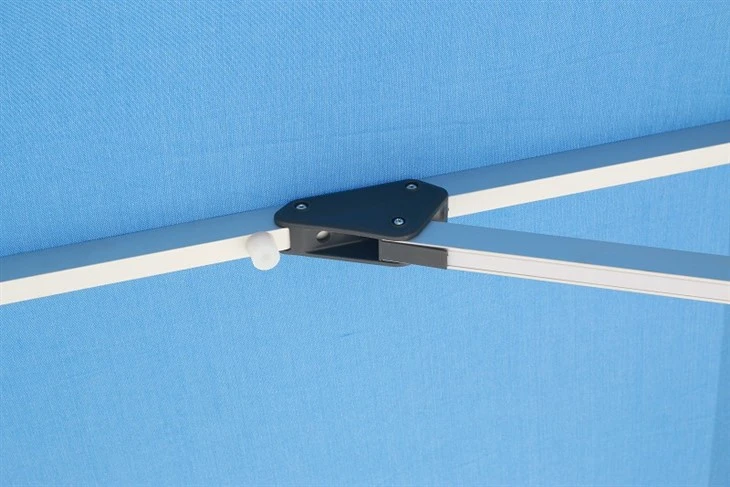
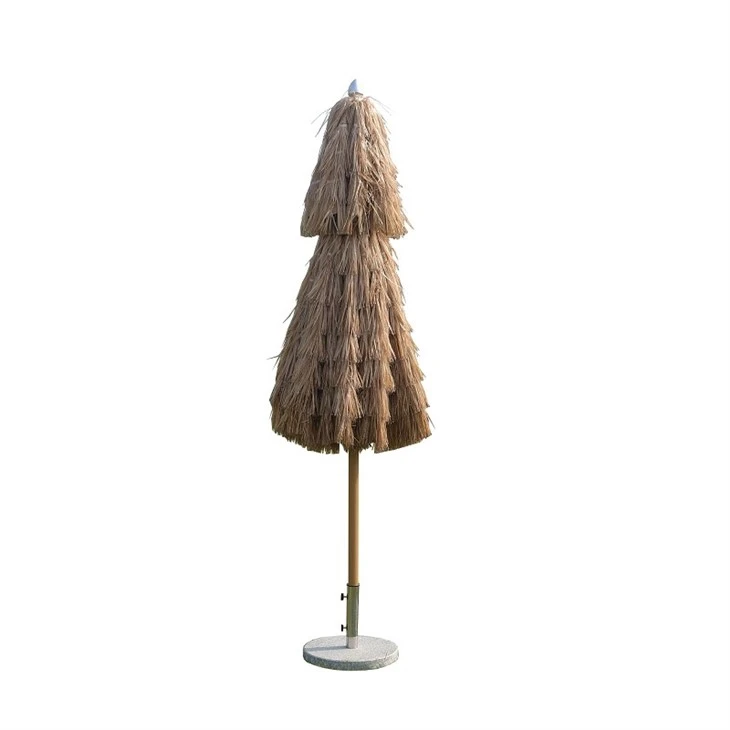
- Metal Poles: Metal poles, such as aluminum or steel, are popular for their strength and durability. Aluminum poles are lightweight and resistant to corrosion, but they can still be damaged if exposed to harsh chemicals or physical impacts. Steel poles are stronger but more prone to rust if not properly coated. To check the quality of a metal pole, you can use a magnet. If the pole is made of stainless steel, the magnet should not stick. If it does, the pole may be made of a different type of steel that is more susceptible to corrosion.
- Wooden Poles: Wooden poles offer a natural and aesthetically pleasing look. However, they require more maintenance. Check for signs of rot, cracks, or insect infestation. A wooden pole that has a musty smell or shows soft spots may be rotting. Cracks can weaken the pole's structure, and insect infestation can cause long - term damage. You can use a small tool to gently probe the wood to check for any hidden damage.
- Fiberglass Poles: Fiberglass poles are known for their strength, flexibility, and resistance to corrosion. Inspect the pole for any signs of delamination, where the layers of fiberglass separate. Delamination can occur due to excessive heat, moisture, or physical damage. A pole with delamination will likely have a weakened structure and should not be used.
Functionality Checks
In addition to the physical and structural checks, it's important to ensure that the umbrella middle pole functions as intended.
- Height Adjustment Mechanism: If the pole has a height adjustment mechanism, test it to make sure it works smoothly. The mechanism should lock securely in place at different heights. If the pole slips or is difficult to adjust, it may indicate a problem with the locking mechanism or the internal components.
- Tilt Function: For umbrellas with a tilt function, check that the pole can be tilted easily and holds its position firmly. A loose or wobbly tilt mechanism can prevent the umbrella from providing proper shade and may pose a safety hazard.
- Canopy Attachment: Examine how the canopy is attached to the pole. The attachment points should be secure and able to withstand the normal swaying and movement of the umbrella. Loose or damaged attachment points can cause the canopy to detach, leaving the umbrella ineffective.
Maintenance and Long - Term Care
Even if an umbrella middle pole passes all the checks, proper maintenance is essential to keep it in good condition.
- Cleaning: Regularly clean the pole with a mild soap and water solution to remove dirt, debris, and any contaminants. For metal poles, dry them thoroughly after cleaning to prevent rust. Wooden poles can be treated with a wood preservative to protect them from moisture and insects.
- Storage: When not in use, store the umbrella in a dry and protected area. Avoid leaving the umbrella exposed to extreme weather conditions for long periods. If possible, store the umbrella with the canopy detached to reduce stress on the pole.
- Inspection Schedule: Establish a regular inspection schedule to check the pole for any signs of wear and tear. Early detection of problems can prevent more significant issues from developing and prolong the lifespan of the pole.
As a professional supplier of Umbrella Middle Pole, I am dedicated to providing high - quality products. If you're in the market for umbrella middle poles for your Garden Terrace Courtyard Umbrella or Large Outdoor Umbrella, I'd be more than happy to discuss your specific needs. Whether you're looking for a particular material, style, or size, our team can assist you in finding the perfect solution. We are committed to offering not only top - notch products but also excellent customer service. If you're interested in placing an order or have any questions, please reach out to us for a detailed discussion.
References
- Outdoor Furniture Association. Best Practices for Umbrella Maintenance.
- Materials Science Handbook: Metals, Wood, and Fiberglass Properties and Applications.