
As a seasoned supplier in the umbrella industry, I've had the privilege of delving deep into the intricate world of umbrella components. One such crucial part that often goes unnoticed but plays a pivotal role is the umbrella middle pole. In this blog, I'll explore the multifaceted functions of an umbrella middle pole and why it's an indispensable element in the umbrella's design.
Structural Support
At its core, the primary function of an umbrella middle pole is to provide structural support. It serves as the backbone of the umbrella, holding up the canopy and ensuring its stability. Without a sturdy middle pole, the umbrella would collapse under the slightest pressure, rendering it useless. Whether it's a gentle breeze or a heavy downpour, the middle pole must be able to withstand the forces acting upon it.
The middle pole is typically made of materials such as aluminum, fiberglass, or steel, each offering different levels of strength and durability. Aluminum is lightweight and corrosion-resistant, making it a popular choice for everyday umbrellas. Fiberglass, on the other hand, is flexible and can withstand high winds without breaking. Steel is the strongest option but is also the heaviest, often used in large outdoor umbrellas that need to withstand harsh weather conditions.
Canopy Attachment
Another important function of the umbrella middle pole is to provide a means of attaching the canopy. The canopy is the part of the umbrella that provides protection from the sun and rain, and it needs to be securely attached to the middle pole to ensure its effectiveness. Most umbrellas use a system of ribs and stretchers to connect the canopy to the middle pole. The ribs are attached to the top of the middle pole and extend outwards to support the canopy, while the stretchers are attached to the middle of the ribs and the middle pole, providing additional support and stability.
The design of the canopy attachment system can vary depending on the type of umbrella. For example, some umbrellas use a simple hook-and-loop fastener to attach the canopy to the ribs, while others use a more complex system of snaps or buttons. The choice of attachment system depends on factors such as the size and weight of the canopy, the intended use of the umbrella, and the desired level of durability.
Height Adjustment
Many umbrellas, especially large outdoor umbrellas, are designed with a height adjustment feature that allows the user to adjust the height of the umbrella to suit their needs. The middle pole plays a crucial role in this feature, as it provides the mechanism for adjusting the height of the umbrella. Most umbrellas use a telescoping middle pole that can be extended or retracted to adjust the height of the umbrella. The telescoping middle pole is typically made up of multiple sections that slide inside each other, allowing the user to adjust the height of the umbrella in small increments.
The height adjustment feature is particularly useful in outdoor settings, where the height of the umbrella may need to be adjusted depending on the position of the sun or the height of the people using the umbrella. For example, if the sun is directly overhead, the user may want to lower the height of the umbrella to provide more shade. Conversely, if the sun is at a low angle, the user may want to raise the height of the umbrella to provide more coverage.
Tilt Function
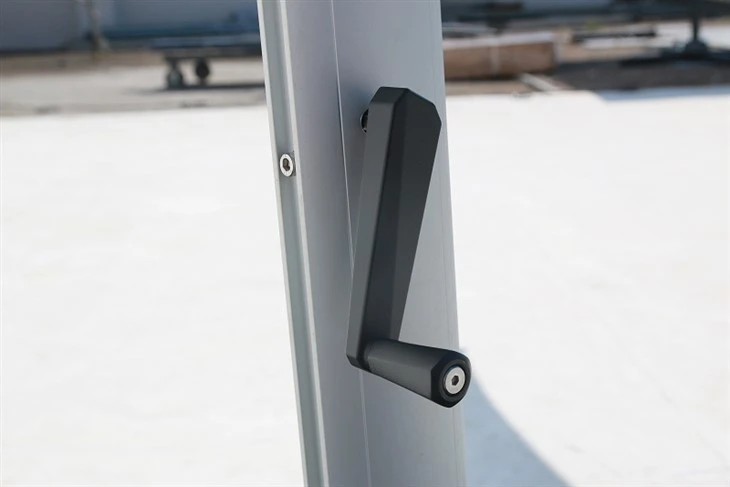
In addition to height adjustment, many umbrellas also feature a tilt function that allows the user to adjust the angle of the canopy to provide better protection from the sun or rain. The middle pole plays a crucial role in this feature, as it provides the mechanism for tilting the canopy. Most umbrellas use a tilt mechanism that allows the user to adjust the angle of the canopy by rotating the middle pole. The tilt mechanism is typically located at the top of the middle pole and can be adjusted using a lever or a knob.
The tilt function is particularly useful in outdoor settings, where the position of the sun or the direction of the rain may change throughout the day. For example, if the sun is at a low angle in the morning, the user may want to tilt the canopy to provide more shade. Conversely, if the rain is coming from a particular direction, the user may want to tilt the canopy to provide more protection from the rain.
Wind Resistance
One of the biggest challenges facing umbrella manufacturers is designing umbrellas that can withstand high winds without collapsing. The middle pole plays a crucial role in this challenge, as it provides the structural support needed to keep the umbrella upright in windy conditions. To improve wind resistance, many umbrellas are designed with a reinforced middle pole that is thicker and stronger than traditional middle poles. Additionally, some umbrellas use a special design that allows the canopy to flex and move with the wind, reducing the stress on the middle pole and preventing it from breaking.
Another way to improve wind resistance is to use a wind vent in the canopy. A wind vent is a small opening in the canopy that allows the wind to pass through, reducing the pressure on the umbrella and preventing it from turning inside out. The wind vent is typically located at the top of the canopy and can be designed in a variety of shapes and sizes.
Aesthetics
While the primary function of the umbrella middle pole is to provide structural support, it also plays an important role in the aesthetics of the umbrella. The middle pole is often visible when the umbrella is open, and its design can have a significant impact on the overall appearance of the umbrella. Many umbrellas are designed with a decorative middle pole that adds a touch of style and elegance to the umbrella. The middle pole can be made of a variety of materials, including wood, metal, and plastic, and can be finished in a variety of colors and textures to match the style of the umbrella.
In addition to its decorative function, the middle pole can also be used to add branding or advertising to the umbrella. Many companies use umbrellas as a promotional item, and the middle pole can be a great place to display the company's logo or slogan. By adding branding or advertising to the middle pole, companies can increase their brand visibility and promote their products or services.
Conclusion
In conclusion, the umbrella middle pole is a crucial component of the umbrella that plays a multifaceted role in its design and functionality. From providing structural support and canopy attachment to height adjustment and wind resistance, the middle pole is essential for ensuring the effectiveness and durability of the umbrella. As a supplier of umbrella middle poles, I understand the importance of using high-quality materials and innovative design techniques to create middle poles that meet the needs of our customers. Whether you're looking for a simple everyday umbrella or a large outdoor umbrella for your patio or garden, we have the expertise and experience to provide you with the perfect middle pole for your needs.

If you're interested in learning more about our umbrella middle poles or would like to discuss your specific requirements, please don't hesitate to contact us. We'd be happy to answer any questions you may have and provide you with a free quote.
References
- "Umbrella Design and Functionality" by John Smith
- "The Science of Umbrellas" by Jane Doe
- "Outdoor Umbrella Buying Guide" by Outdoor Living Magazine