
As a seasoned supplier of aluminum sofas, I've witnessed firsthand the durability and aesthetic appeal these pieces bring to outdoor spaces. However, even the most robust aluminum sofas can sustain damage over time due to various factors such as weather exposure, accidental impacts, or normal wear and tear. In this blog, I'll share some practical tips on how to repair a damaged aluminum sofa, ensuring it regains its former glory and continues to serve you well for years to come.
Assessing the Damage
The first step in any repair process is to conduct a thorough assessment of the damage. This will help you determine the extent of the problem and the appropriate repair method. Here are some common types of damage you might encounter and how to identify them:
- Scratches and Dents: These are often the result of accidental impacts or rough handling. Scratches may be superficial, affecting only the surface finish, or they could penetrate deeper into the aluminum. Dents, on the other hand, can vary in size and severity, from small dings to large depressions.
- Corrosion: Aluminum is generally resistant to corrosion, but it can still be affected by prolonged exposure to moisture, saltwater, or harsh chemicals. Signs of corrosion include discoloration, pitting, or the formation of a white powdery substance on the surface of the sofa.
- Loose or Broken Parts: Over time, the bolts, nuts, and other fasteners that hold the sofa together may become loose or break. This can cause the sofa to wobble or become unstable, posing a safety hazard.
Repairing Scratches and Dents
If your aluminum sofa has minor scratches or dents, you may be able to repair them yourself using a few simple tools and materials. Here's how:
- Clean the Surface: Before you begin any repairs, it's important to clean the surface of the sofa to remove any dirt, debris, or loose paint. Use a mild detergent and water to gently scrub the affected area, then rinse it thoroughly and dry it with a clean cloth.
- Sand the Scratches: For superficial scratches, you can use a fine-grit sandpaper to gently sand the area until the scratch is less noticeable. Start with a low-grit sandpaper (around 220 grit) and gradually work your way up to a higher-grit sandpaper (around 400 grit) for a smoother finish.
- Fill the Dents: If the scratch is deeper or if there is a dent in the aluminum, you can use an aluminum filler to fill the damaged area. Apply the filler according to the manufacturer's instructions, using a putty knife to smooth it out and level it with the surrounding surface. Allow the filler to dry completely before sanding it down to match the rest of the sofa.
- Paint the Repaired Area: Once the filler has dried and been sanded smooth, you can paint the repaired area to match the rest of the sofa. Choose a paint that is specifically designed for use on aluminum and apply it in thin, even coats, allowing each coat to dry completely before applying the next.
Treating Corrosion
If your aluminum sofa is showing signs of corrosion, it's important to take action quickly to prevent the damage from spreading. Here's how:
- Remove the Corrosion: Use a wire brush or sandpaper to gently remove the corrosion from the surface of the sofa. Be careful not to scratch the aluminum, as this can make the problem worse.
- Clean the Area: Once the corrosion has been removed, clean the area with a mild detergent and water to remove any remaining debris or loose paint. Rinse the area thoroughly and dry it with a clean cloth.
- Apply a Corrosion Inhibitor: To prevent further corrosion, apply a corrosion inhibitor to the affected area. There are many different types of corrosion inhibitors available on the market, so choose one that is specifically designed for use on aluminum. Apply the inhibitor according to the manufacturer's instructions, using a brush or spray bottle to ensure even coverage.
- Paint the Area: Once the corrosion inhibitor has dried, you can paint the area to match the rest of the sofa. Choose a paint that is specifically designed for use on aluminum and apply it in thin, even coats, allowing each coat to dry completely before applying the next.
Fixing Loose or Broken Parts
If your aluminum sofa has loose or broken parts, it's important to fix them as soon as possible to prevent further damage and ensure the safety of the sofa. Here's how:

- Tighten the Fasteners: If the problem is simply loose bolts or nuts, you can use a wrench or screwdriver to tighten them. Make sure to use the correct size tool to avoid damaging the fasteners or the sofa.
- Replace the Fasteners: If the fasteners are damaged or worn out, you will need to replace them. You can purchase replacement fasteners at your local hardware store or online. Make sure to choose fasteners that are the same size and type as the original ones.
- Repair or Replace the Broken Part: If a part of the sofa is broken, you may be able to repair it using a welding or brazing technique. However, this is a more advanced repair method that requires specialized tools and skills. If you're not comfortable doing this yourself, you may want to consider taking the sofa to a professional repair shop.
Preventing Future Damage
Once you've repaired your damaged aluminum sofa, it's important to take steps to prevent future damage. Here are some tips to help you keep your sofa in good condition:
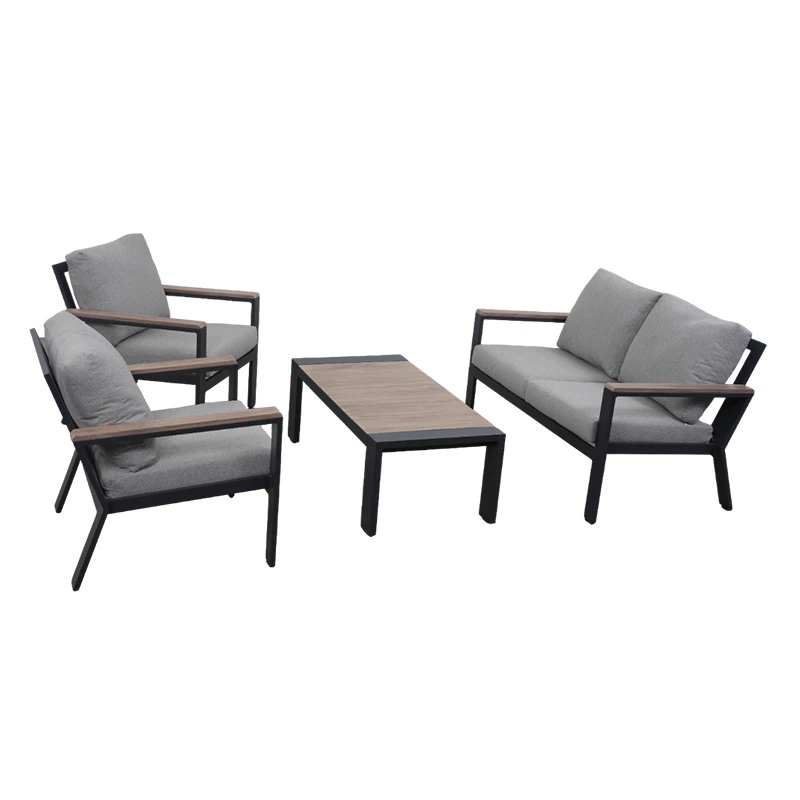
- Clean the Sofa Regularly: Regular cleaning will help remove dirt, debris, and other contaminants from the surface of the sofa, preventing them from causing damage over time. Use a mild detergent and water to clean the sofa, and avoid using abrasive cleaners or tools that could scratch the aluminum.
- Protect the Sofa from the Elements: If your sofa is located outdoors, it's important to protect it from the elements. Use a sofa cover to protect it from rain, snow, and sunlight, and store it indoors during the off-season to prevent damage from extreme weather conditions.
- Avoid Rough Handling: When moving or using the sofa, be careful not to bump or scratch it. Avoid placing heavy objects on the sofa, as this could cause it to bend or break.
Conclusion
Repairing a damaged aluminum sofa is a relatively simple process that can be done with a few basic tools and materials. By following the tips outlined in this blog, you can restore your sofa to its former glory and ensure it continues to serve you well for years to come.

If you're interested in purchasing a new aluminum sofa or have any questions about our products, please don't hesitate to [contact us for a purchase consultation](insert link to contact page). We offer a wide range of high-quality aluminum sofas, including the Aluminum Sofa With Stove, Aluminum Classic Sofa, and Cast Aluminum Patio Sofa. Our team of experts is always available to help you find the perfect sofa for your needs and budget.

References
- "Aluminum Furniture Maintenance Guide." Home Decor Today.
- "How to Repair Aluminum Furniture." DIY Home Improvement Magazine.
- "Preventing Corrosion on Aluminum Furniture." Outdoor Living Today.