
Hey there! I'm a supplier of umbrella middle poles, and today I wanna chat about how to optimize the design of these crucial parts. You know, the middle pole is like the backbone of an umbrella. It holds everything up and plays a huge role in the overall performance and durability of the umbrella.
1. Material Selection
The first step in optimizing the design of an umbrella middle pole is choosing the right material. There are several options out there, each with its own pros and cons.
Aluminum
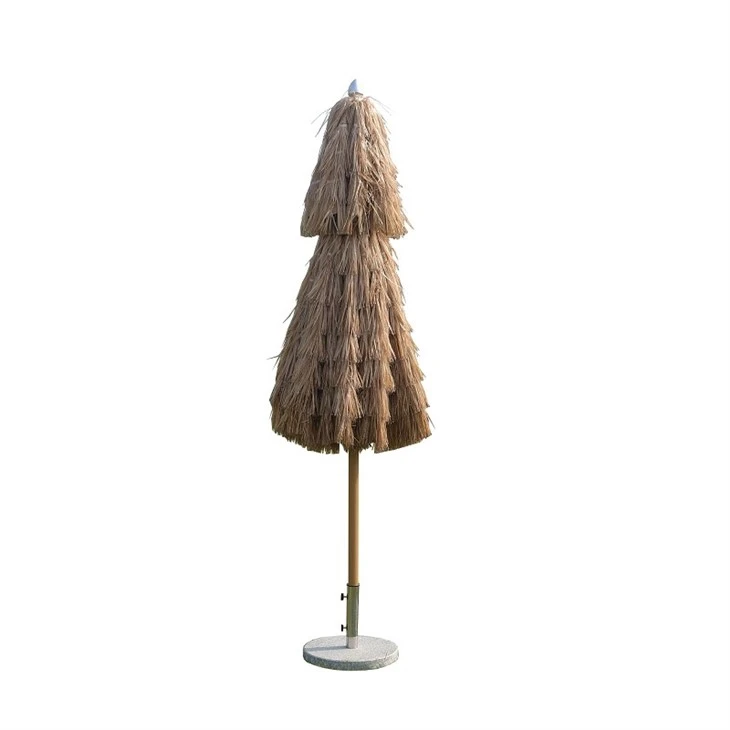
Aluminum is a popular choice. It's lightweight, which makes the umbrella easy to carry around. Whether it's a Outdoor Umbrella with Lights for a cozy evening in the garden or a Garden Terrace Courtyard Umbrella for a sunny day on the terrace, a lightweight pole is a plus. It also has good corrosion resistance, so it can withstand different weather conditions. However, it might not be as strong as some other materials. If you're in an area with strong winds, you might need to consider a thicker aluminum pole or reinforce it in some way.
Steel
Steel is known for its strength. It can handle a lot of stress, making it a great choice for large umbrellas or areas with harsh weather. But the downside is that it's heavy. A heavy middle pole can make the umbrella difficult to move around, and it might also require a more sturdy base to keep it stable. And steel is prone to rust if it's not properly coated. So, if you choose steel, make sure it has a good anti - rust coating.
Fiberglass
Fiberglass is another option. It's lightweight like aluminum but has better flexibility. This flexibility can be an advantage in windy conditions as it can bend without breaking. It's also corrosion - resistant. However, it might not be as strong as steel in terms of sheer weight - bearing capacity.
When selecting the material, you need to think about the intended use of the umbrella. For a small, portable umbrella, aluminum or fiberglass might be the way to go. But for a large, stationary Garden Terrace Courtyard Umbrella, steel could be a better choice.
2. Structural Design
The structure of the middle pole is also super important.
Tubular Design
Most umbrella middle poles are tubular. This design is efficient because it provides a good balance between strength and weight. A tubular pole can distribute the load evenly along its length. However, you can optimize the tubular design by adjusting the wall thickness. A thicker wall will make the pole stronger but also heavier. You need to find the right balance based on the size and use of the umbrella.
Collapsible Design
For umbrellas that need to be portable, a collapsible middle pole is a must. There are different ways to design a collapsible pole. One common method is using telescopic sections. These sections can slide into each other, making the pole shorter for storage and transportation. When designing a telescopic pole, you need to ensure a tight fit between the sections. A loose fit can make the pole unstable when it's extended. You can use locking mechanisms, like spring - loaded buttons or friction locks, to keep the sections in place.

Reinforcement
Adding reinforcement to the middle pole can significantly improve its strength. You can use internal ribs or external braces. Internal ribs can be made of the same material as the pole or a different, stronger material. They can add extra support without adding too much weight. External braces can be attached to the outside of the pole at strategic points. For example, if the umbrella is likely to be exposed to strong winds from a certain direction, you can add braces on that side of the pole.
3. Surface Treatment
The surface treatment of the middle pole is not just for looks; it also has practical benefits.
Powder Coating
Powder coating is a popular surface treatment. It provides a durable finish that can protect the pole from scratches, corrosion, and UV rays. You can choose from a wide range of colors, so it can also enhance the aesthetic appeal of the umbrella. The powder coating process involves applying a dry powder to the pole and then baking it in an oven. This creates a hard, smooth surface.
Anodizing
Anodizing is mainly used for aluminum poles. It creates a protective oxide layer on the surface of the aluminum. This layer is resistant to corrosion and can also improve the pole's appearance. Anodized poles come in different colors, and the finish is quite durable.
Painting
Painting is a simple and cost - effective way to protect the pole. You can use paint that is specifically designed for outdoor use, which will have good resistance to weathering. However, paint might not be as durable as powder coating or anodizing. It can chip or peel over time, especially if the umbrella is frequently moved or exposed to harsh conditions.
4. Compatibility with Other Parts
The middle pole needs to be compatible with other parts of the umbrella, such as the canopy and the base.
Canopy Attachment
The way the canopy is attached to the middle pole is crucial. You need to design a system that is secure and easy to assemble. Some umbrellas use a ring - and - hook system, where the canopy is attached to a ring that slides onto the pole. Others use a more complex system with clips or ties. The attachment points on the pole should be strong enough to hold the weight of the canopy, especially when it's wet or under wind pressure.
Base Compatibility
The base of the umbrella is what keeps it stable. The middle pole needs to fit properly into the base. If the pole is too thin or too thick for the base, it won't be stable. You can design the bottom of the pole to have a specific shape or size that matches the base. Some bases have a locking mechanism for the pole, so the pole should be designed to work with that mechanism.
5. Aesthetic Considerations
Let's not forget about how the middle pole looks. An aesthetically pleasing middle pole can enhance the overall look of the umbrella.
Shape
You can play around with the shape of the middle pole. Instead of a simple round tube, you could have an oval or hexagonal shape. This can add a unique touch to the umbrella. However, keep in mind that non - circular shapes might be more difficult to manufacture and might require special tools or processes.
Color
As mentioned earlier, the color of the pole can make a big difference. You can choose a color that matches the canopy or the surrounding environment. For example, if you have a colorful canopy, a neutral - colored pole might be a good choice to balance the look. Or, if you want the pole to stand out, you can choose a bold color.
In conclusion, optimizing the design of an umbrella middle pole involves considering multiple factors, from material selection to aesthetic considerations. By getting these aspects right, you can create a high - quality, functional, and good - looking umbrella.
If you're interested in our Umbrella Middle Pole products or have any questions about umbrella design, feel free to reach out to us for a procurement discussion. We're always happy to help you find the best solution for your needs.
References
- "Materials Science for Engineers" by Donald Askeland
- "Design of Mechanical Elements" by Robert Norton
- Industry reports on outdoor umbrella manufacturing and design trends.