

As a seasoned supplier of outdoor gazebo covers, I've witnessed firsthand the challenges that storms can pose to these valuable outdoor structures. Whether it's a sudden thunderstorm, a powerful hurricane, or a heavy snowfall, storms can cause significant damage to your outdoor gazebo cover if not properly managed. In this blog post, I'll share some expert tips on how to handle an outdoor gazebo cover during a storm, ensuring its longevity and protecting your investment.
Understanding the Risks
Before we dive into the specific strategies for handling your outdoor gazebo cover during a storm, it's important to understand the potential risks. Storms can bring a variety of hazards, including high winds, heavy rain, hail, and snow. These elements can cause damage to your gazebo cover in several ways:
- Wind Damage: High winds can lift, tear, or collapse your gazebo cover. The force of the wind can also cause the structure to sway or move, which can lead to further damage.
- Water Damage: Heavy rain, hail, or snow can saturate your gazebo cover, causing it to become heavy and sag. This can lead to stretching, tearing, or even mold and mildew growth.
- Debris Damage: Storms can also bring debris, such as branches, leaves, and dirt, which can scratch, puncture, or stain your gazebo cover.
Preparing Your Gazebo Cover for a Storm
The key to protecting your outdoor gazebo cover during a storm is to take proactive steps to prepare it in advance. Here are some tips to help you get your gazebo cover ready for the next big storm:
- Inspect Your Gazebo Cover: Before a storm hits, carefully inspect your gazebo cover for any signs of damage, such as tears, holes, or loose seams. If you notice any issues, repair them immediately to prevent further damage during the storm.
- Clean Your Gazebo Cover: A clean gazebo cover is less likely to attract debris and is more resistant to water damage. Use a mild soap and water solution to clean your gazebo cover, and rinse it thoroughly to remove any soap residue.
- Secure Your Gazebo Cover: Make sure your gazebo cover is properly secured to the frame of the gazebo. Use the provided straps, ropes, or clips to tighten the cover and prevent it from flapping in the wind. You may also want to consider adding additional weights or anchors to keep the gazebo in place.
- Remove Loose Items: Remove any loose items from your gazebo, such as cushions, pillows, and decorations. These items can become projectiles in high winds and cause damage to your gazebo cover or other nearby objects.
- Store Your Gazebo Cover: If possible, remove your gazebo cover and store it indoors during the storm. This will provide the best protection against wind, water, and debris damage. Make sure to fold the cover neatly and store it in a dry, cool place.
During the Storm
Even if you've taken all the necessary precautions to prepare your gazebo cover for a storm, it's still important to monitor the situation closely during the storm. Here are some tips to help you protect your gazebo cover during a storm:
- Stay Informed: Keep an eye on the weather forecast and stay informed about the severity of the storm. If the storm is expected to be particularly severe, consider taking additional precautions, such as removing your gazebo cover or seeking shelter indoors.
- Monitor Your Gazebo: Check on your gazebo regularly during the storm to make sure it's still secure and in good condition. If you notice any signs of damage or instability, take immediate action to prevent further damage.
- Avoid Using Your Gazebo: It's best to avoid using your gazebo during a storm, as the high winds and heavy rain can pose a safety risk. If you need to access your gazebo, make sure to wear appropriate protective gear and take extra precautions to avoid injury.
- Be Prepared to Act: If the storm causes significant damage to your gazebo cover, be prepared to take action quickly. Have a plan in place for how you'll repair or replace the cover, and make sure you have the necessary tools and materials on hand.
After the Storm
Once the storm has passed, it's important to inspect your gazebo cover for any damage and take steps to repair or replace it as needed. Here are some tips to help you assess the damage and take action after a storm:
- Inspect Your Gazebo Cover: Carefully inspect your gazebo cover for any signs of damage, such as tears, holes, or loose seams. If you notice any issues, repair them immediately to prevent further damage.
- Clean Your Gazebo Cover: Use a mild soap and water solution to clean your gazebo cover, and rinse it thoroughly to remove any dirt, debris, or mold. Make sure to dry the cover completely before storing it.
- Assess the Damage: If your gazebo cover has suffered significant damage, you may need to replace it. Consider the extent of the damage, the age and condition of the cover, and the cost of replacement when making your decision.
- Take Steps to Prevent Future Damage: To prevent future damage to your gazebo cover, consider taking additional precautions, such as installing a windbreak or adding extra support to the frame. You may also want to invest in a high-quality gazebo cover that is designed to withstand harsh weather conditions.
Choosing the Right Outdoor Gazebo Cover
When it comes to protecting your outdoor gazebo during a storm, choosing the right cover is essential. Here are some factors to consider when selecting an outdoor gazebo cover:
- Material: The material of your gazebo cover will determine its durability, water resistance, and UV protection. Look for a cover made from high-quality materials, such as Aluminum Outdoor Gazebo, Extra Large Outdoor Canopy, or Polyester Fabric Umbrella, that are designed to withstand harsh weather conditions.
- Size: Make sure to choose a gazebo cover that is the right size for your gazebo. A cover that is too small may not provide adequate protection, while a cover that is too large may be difficult to secure and may flap in the wind.
- Style: Consider the style of your gazebo and choose a cover that complements its design. There are a variety of styles available, including dome-shaped, rectangular, and octagonal covers, so you're sure to find one that fits your needs and preferences.
- Features: Look for a gazebo cover that has additional features, such as vents, windows, or zippers, that can enhance its functionality and usability. These features can also help to improve ventilation and reduce the risk of mold and mildew growth.
Conclusion
Handling an outdoor gazebo cover during a storm requires careful planning, preparation, and monitoring. By following the tips outlined in this blog post, you can protect your gazebo cover from damage and ensure its longevity. Remember to choose a high-quality gazebo cover that is designed to withstand harsh weather conditions, and take steps to prepare it for a storm in advance. If you have any questions or need further assistance, please don't hesitate to contact us. We're here to help you find the perfect outdoor gazebo cover for your needs and provide you with the support and guidance you need to keep it in good condition.

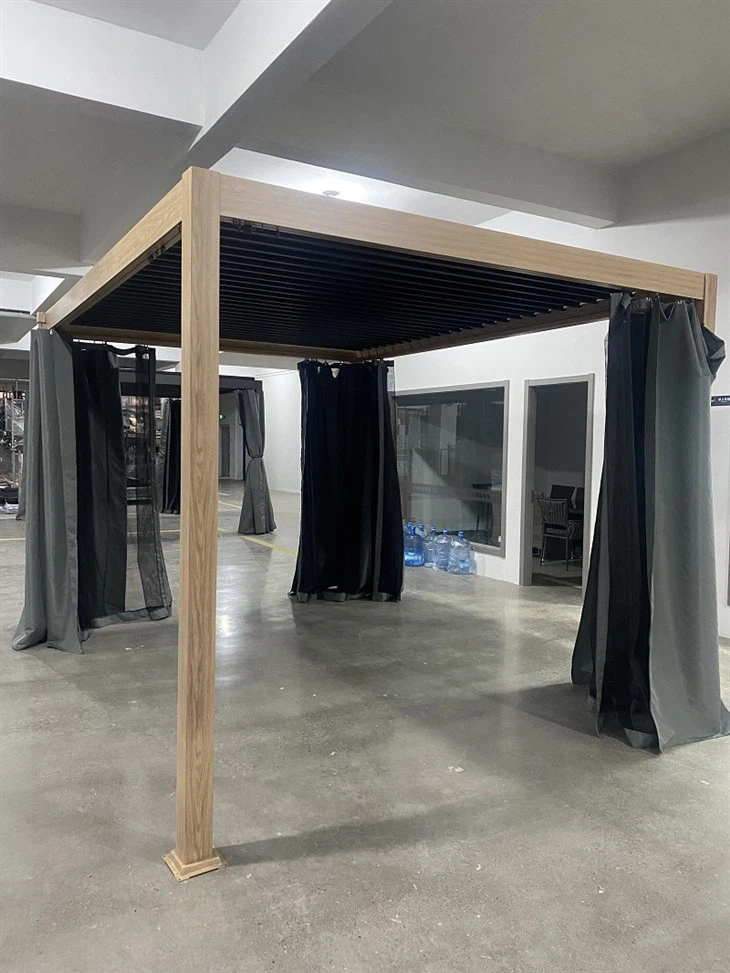
If you're interested in purchasing an outdoor gazebo cover or have any questions about our products, please feel free to contact us. Our team of experts is here to help you find the perfect solution for your outdoor space and provide you with the highest level of customer service. We look forward to hearing from you and working with you to create the outdoor oasis of your dreams.
References
- Outdoor Living Network. (n.d.). How to Protect Your Gazebo from Storms. Retrieved from [Website URL]
- Home Depot. (n.d.). Gazebo Covers: How to Choose the Right One. Retrieved from [Website URL]
- Lowe's. (n.d.). Tips for Protecting Your Outdoor Furniture During a Storm. Retrieved from [Website URL]