

Hey there! As a supplier of outdoor gazebo covers, I've seen firsthand how important proper ventilation is when using these covers. A well - ventilated outdoor gazebo not only makes your outdoor experience more comfortable but also helps in maintaining the longevity of your gazebo. In this blog, I'll share some tips on how to ensure proper ventilation with an outdoor gazebo cover.
1. Choose the Right Gazebo Design
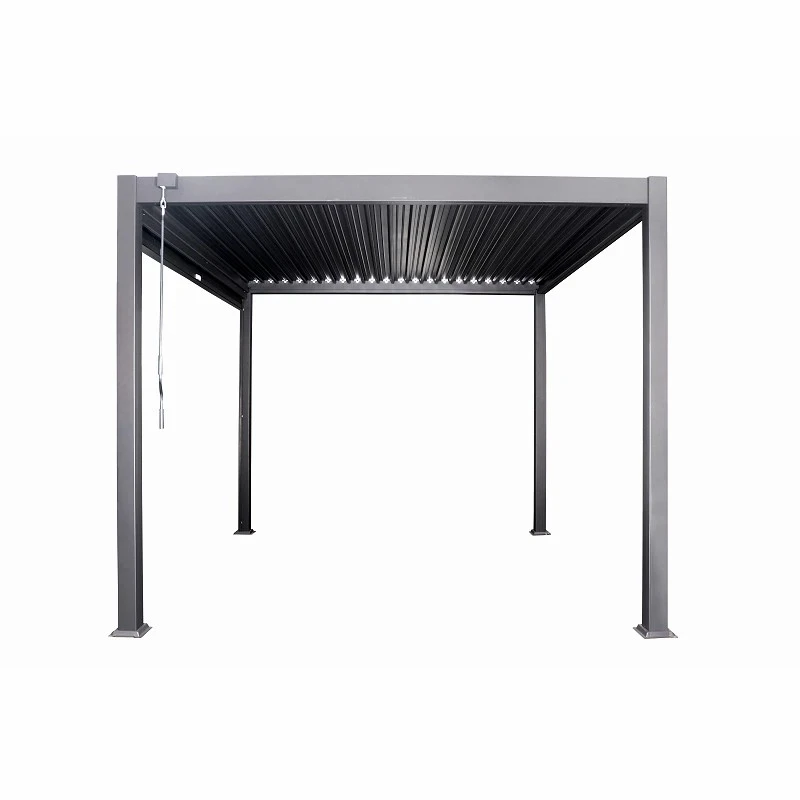
When it comes to ventilation, the design of your gazebo matters a lot. Opt for a gazebo with an open - frame design. For example, an Aluminum Outdoor Gazebo usually has a more open structure. Aluminum frames are sturdy and can support a cover while allowing air to flow freely through the sides. The open sides of these gazebos act as natural channels for air to enter and exit, preventing the build - up of hot and stuffy air inside.
If you need a large - scale outdoor setup, an Extra Large Outdoor Canopy is a great option. These canopies often have multiple support poles and wide open spaces between them. This design allows for maximum air circulation, keeping the area under the canopy cool and fresh.

2. Select a Breathable Cover Material
The material of your outdoor gazebo cover plays a crucial role in ventilation. Look for covers made from breathable fabrics. Mesh fabrics are an excellent choice. They allow air to pass through easily while still providing some protection from the sun and light rain. Polyester mesh covers, for instance, are durable, water - resistant, and breathable. They can prevent the gazebo from turning into a hotbox on sunny days.
Another option is a canvas cover with ventilation panels. Some canvas covers come with pre - installed mesh panels at the sides or top. These panels act as vents, allowing hot air to escape and fresh air to enter. When choosing a cover, make sure to check the product description for information about its breathability.
3. Install Ventilation Accessories
There are several accessories you can install to improve ventilation in your outdoor gazebo. One of the most popular is a roof vent. A roof vent can be installed at the peak of the gazebo cover. As hot air rises, it can escape through the vent, creating a natural draft. This draft pulls in fresh air from the sides of the gazebo, keeping the interior well - ventilated.
You can also consider adding side vents to your gazebo cover. Side vents can be opened and closed as needed. On hot days, you can open them wide to let in more air. When it's windy or rainy, you can close them to keep the interior dry and protected.
4. Position Your Gazebo Strategically
The location of your gazebo can significantly impact its ventilation. Place your gazebo in an area where there is a natural breeze. If possible, position it near trees or other structures that can create a wind tunnel effect. For example, placing the gazebo between two trees can funnel the wind through the open sides of the gazebo, improving air circulation.
Avoid placing the gazebo in a corner or against a wall. These locations can block the flow of air and cause the gazebo to become stuffy. Also, make sure there is enough space around the gazebo for air to move freely.
5. Use Fans for Additional Ventilation
In cases where natural ventilation is not enough, you can use fans to boost air circulation. You can install ceiling fans inside the gazebo. Ceiling fans are great for creating a gentle breeze that helps in cooling the area. They are especially useful on hot, still days when there is little to no natural wind.
Portable fans are also a good option. You can place them at the sides of the gazebo to blow air in or out, depending on your needs. Battery - operated fans are convenient as they can be moved around easily and don't require a power outlet.
6. Regularly Maintain Your Gazebo and Cover
Proper maintenance is essential for ensuring good ventilation in your outdoor gazebo. Regularly clean your gazebo cover to remove any dirt, debris, or leaves that may block the vents. Check the vents and mesh panels for any signs of damage or blockage. If you find any holes or tears in the cover, repair them promptly to prevent air leaks.
Inspect the gazebo frame for any loose parts or damage. A sturdy frame ensures that the cover is properly supported and that there are no gaps where air can escape or be blocked.
7. Consider a Custom - Made Cover
If you have specific ventilation requirements, a custom - made outdoor gazebo cover might be the way to go. At our company, we offer custom - made covers that can be designed with your ventilation needs in mind. We can add extra vents, choose the most breathable materials, and create a cover that fits your gazebo perfectly.
A custom - made cover allows you to have more control over the ventilation of your gazebo. You can work with our team to decide on the size, shape, and placement of the vents, ensuring optimal air circulation.
Conclusion
Proper ventilation is key to enjoying your outdoor gazebo to the fullest. By choosing the right gazebo design, breathable cover material, installing ventilation accessories, positioning the gazebo strategically, using fans, maintaining the gazebo and cover, and considering a custom - made cover, you can ensure that your outdoor gazebo is a cool and comfortable place to relax.
If you're interested in purchasing high - quality outdoor gazebo covers that are designed with ventilation in mind, we'd love to hear from you. Whether you're looking for an Aluminum Outdoor Gazebo cover or a custom - made solution, we have the products and expertise to meet your needs. Contact us today to start the conversation about your next outdoor gazebo project.
References
- Outdoor Living Magazine: "Best Practices for Gazebo Ventilation"
- Home Improvement Guide: "Enhancing Airflow in Your Outdoor Gazebo"
- DIY Outdoor Projects: "Ventilation Solutions for Outdoor Gazebos"