
Hey there! As an outdoor shade gazebo supplier, I've seen firsthand how important it is to keep the fabric tension just right on these awesome structures. A well - tensioned fabric not only looks great but also ensures the longevity and functionality of your outdoor shade gazebo. So, let's dive into how you can adjust the tension of the fabric on an outdoor shade gazebo.
Why is Fabric Tension Important?
Before we get into the how - to, let's talk about why fabric tension matters. When the fabric on your outdoor shade gazebo is properly tensioned, it provides better protection from the sun. It also helps the gazebo withstand different weather conditions, like wind and rain. A loose fabric can flap around in the wind, which might cause it to tear over time. On the other hand, an overly tight fabric can put too much stress on the frame and the fabric itself, leading to premature wear and tear.
Tools You'll Need
Adjusting the fabric tension doesn't require a whole bunch of fancy tools. Here's what you'll need:
- A set of basic hand tools like a screwdriver (both flat - head and Phillips - head, depending on your gazebo's fasteners).
- A measuring tape to ensure even tension across the fabric.
- Some patience and a keen eye for detail!
Step 1: Inspect the Gazebo
The first thing you need to do is take a good look at your outdoor shade gazebo. Check for any signs of damage to the fabric, such as tears or fraying. Also, inspect the frame to make sure there are no loose parts or rust spots. If you notice any issues, it's best to address them before adjusting the fabric tension. For example, if there's a small tear in the fabric, you can use a fabric repair kit to fix it. If the frame has loose bolts, tighten them with your screwdriver.

Step 2: Loosen the Existing Tension
If the fabric is already attached to the gazebo, you'll need to loosen the existing tension. This usually involves finding the fasteners that hold the fabric in place. These can be hooks, clips, or screws. Use your screwdriver or other appropriate tool to loosen these fasteners. Don't remove them completely, just enough to allow the fabric to move a bit.
Step 3: Measure and Mark
Once the fabric is loose, use your measuring tape to measure the distance between different points on the frame where the fabric attaches. Mark these points with a piece of chalk or a removable marker. This will help you ensure that the fabric is evenly tensioned when you re - attach it. For example, if your gazebo has four corners, measure the distance from one corner to the opposite corner diagonally. The measurements should be the same on both diagonals for a properly tensioned fabric.
Step 4: Adjust the Fabric
Now it's time to start adjusting the fabric. Pull the fabric gently towards the frame, making sure it's smooth and free of wrinkles. If the fabric is too loose in some areas, pull it a bit tighter. If it's too tight, let it out a bit. As you do this, refer back to your measurements and marks to keep everything even. You might need to work with a friend or family member to hold the fabric in place while you make the adjustments.
Step 5: Re - attach the Fabric
Once you're satisfied with the fabric's tension, re - attach it to the frame using the fasteners you loosened earlier. Start at one corner and work your way around the gazebo, making sure the fabric stays evenly tensioned as you go. Tighten the fasteners gradually, checking the tension as you go. You can use your measuring tape again to double - check that the distances between the marked points remain consistent.
Step 6: Final Checks
After re - attaching the fabric, do a final inspection. Walk around the gazebo and look for any areas where the fabric might be too loose or too tight. Check for any wrinkles or sagging. If you find any issues, go back and make the necessary adjustments. You can also give the fabric a gentle tug in different areas to make sure it's firmly attached and properly tensioned.
Different Types of Outdoor Shade Gazebos
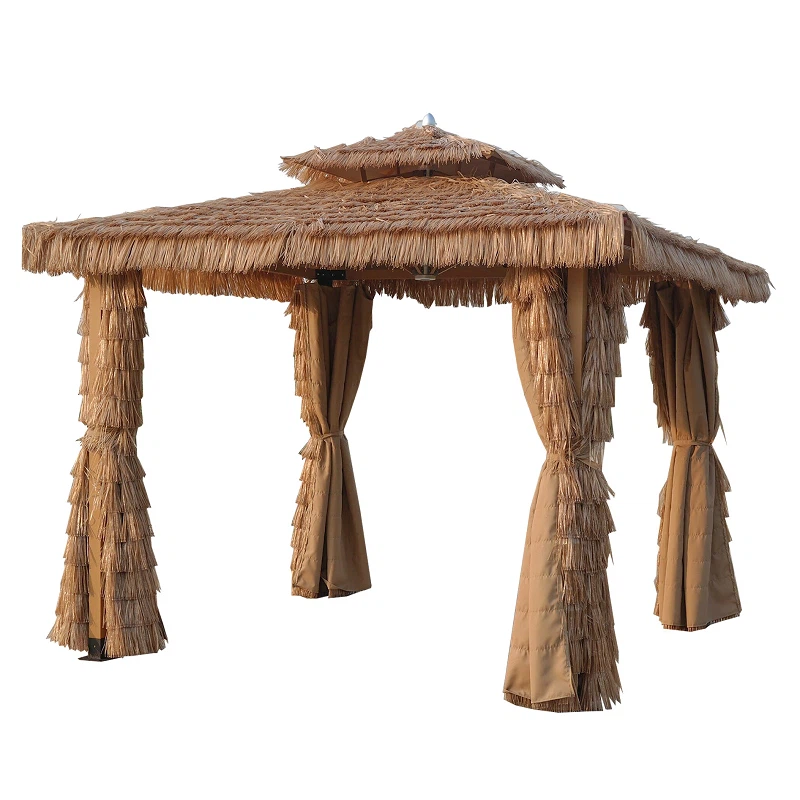
At our company, we offer a variety of outdoor shade gazebos, each with its own unique features. For instance, our Aluminum Outdoor Gazebo is known for its durability and lightweight design. Aluminum is resistant to rust, making it a great choice for outdoor use. The fabric used in these gazebos is usually Polyester Fabric Umbrella, which is strong and provides excellent UV protection.
Our Outdoor Shade Gazebo comes in different sizes and styles to suit your needs. Whether you're looking for a small gazebo for your backyard or a large one for a commercial space, we've got you covered. The process of adjusting the fabric tension is similar for all our gazebos, but it's always a good idea to refer to the specific instructions that come with your purchase.
Tips for Maintaining Proper Fabric Tension
- Regularly inspect your gazebo for any signs of fabric loosening or damage. This can help you catch issues early and prevent more serious problems.
- After heavy weather, like strong winds or storms, check the fabric tension again. The wind can sometimes cause the fabric to shift or loosen.
- If you're storing your gazebo during the off - season, make sure to store it properly. Loosen the fabric tension slightly to prevent any stress on the fabric and frame during storage.
Contact Us for Your Outdoor Shade Gazebo Needs
If you're in the market for a new outdoor shade gazebo or need more information on how to take care of your existing one, we're here to help. Our team of experts can answer all your questions and guide you through the purchasing process. Whether you're a homeowner looking to enhance your outdoor living space or a business owner in need of a commercial - grade gazebo, we've got the perfect solution for you. So, don't hesitate to reach out and start a conversation with us about your outdoor shade gazebo needs.
References
- Outdoor Living Magazine: Tips for Maintaining Outdoor Structures
- Manufacturer's Guides for Outdoor Shade Gazebos