
When it comes to furnishing outdoor spaces, the choice between an outdoor extendable table and a regular table is a significant decision that can impact both functionality and longevity. As a supplier of outdoor extendable tables, I have witnessed firsthand the growing demand for these versatile pieces of furniture. In this blog, we will delve into a detailed comparison of the durability of outdoor extendable tables and regular tables, exploring the factors that contribute to their resilience in various outdoor environments.
Understanding the Basics: Outdoor Extendable Tables vs. Regular Tables
Before we compare their durability, it's essential to understand the fundamental differences between outdoor extendable tables and regular tables. A regular table typically has a fixed size and shape, offering a consistent surface area for use. On the other hand, an outdoor extendable table is designed with mechanisms that allow it to expand or contract, providing flexibility to accommodate different numbers of guests. This feature makes outdoor extendable tables particularly popular for outdoor gatherings, where the number of attendees can vary.
Materials: The Foundation of Durability
One of the primary factors influencing the durability of any table is the material from which it is constructed. Both outdoor extendable tables and regular tables are available in a variety of materials, each with its own set of advantages and disadvantages.
Wood
Wood is a classic choice for outdoor furniture, prized for its natural beauty and warmth. Regular wooden tables are often made from solid hardwoods such as teak, oak, or cedar, which are known for their strength and durability. However, wood is susceptible to damage from moisture, insects, and UV rays, which can cause it to warp, crack, or rot over time.
Outdoor extendable tables made from wood also face similar challenges. However, many modern outdoor extendable wooden tables are treated with protective finishes and coatings to enhance their resistance to the elements. For example, some tables are pressure-treated to prevent rot and insect infestation, while others are coated with UV-resistant stains to protect against sun damage.
Metal
Metal is another popular material for outdoor tables, offering strength, durability, and a modern aesthetic. Regular metal tables are commonly made from materials such as aluminum, steel, or wrought iron. Aluminum is lightweight, corrosion-resistant, and easy to maintain, making it an excellent choice for outdoor use. Steel and wrought iron are heavier and more robust, providing greater stability but requiring more maintenance to prevent rust.
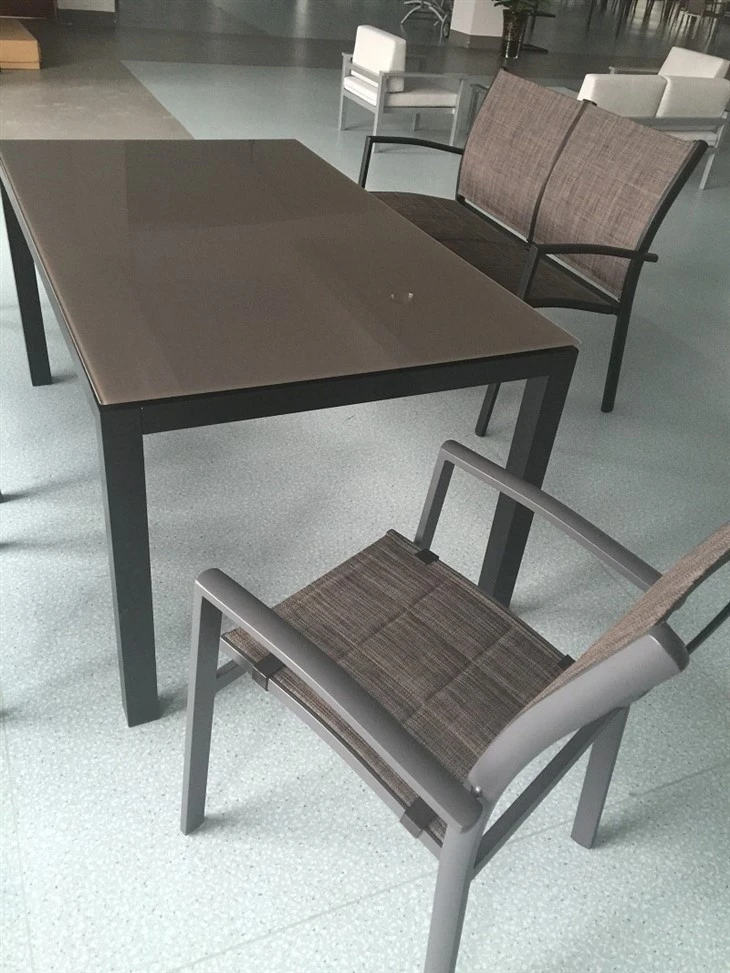
Outdoor extendable tables made from metal also benefit from the inherent durability of the material. Aluminum extendable tables, in particular, are highly resistant to corrosion and can withstand harsh weather conditions without deteriorating. For example, our Extendable Garden Table Aluminium is designed to be lightweight yet sturdy, making it ideal for outdoor use.
Plastic
Plastic is a cost-effective and low-maintenance option for outdoor furniture. Regular plastic tables are typically made from high-density polyethylene (HDPE), which is durable, weather-resistant, and easy to clean. Plastic tables are also available in a variety of colors and styles, making them a popular choice for casual outdoor settings.
Outdoor extendable tables made from plastic offer similar benefits. They are lightweight, easy to move around, and resistant to moisture and UV rays. However, plastic tables may not be as sturdy as those made from wood or metal, and they may be more prone to cracking or breaking under heavy use.
Design and Construction: Impact on Durability
In addition to the materials used, the design and construction of a table can also have a significant impact on its durability. Outdoor extendable tables, in particular, require careful engineering to ensure that they can withstand the stress of repeated expansion and contraction.
Joints and Connections
The joints and connections of a table are critical points that can affect its stability and durability. Regular tables typically have fixed joints that are designed to be strong and secure. However, outdoor extendable tables require more complex joints and connections to allow for movement. These joints must be able to withstand the forces exerted during expansion and contraction without loosening or breaking.
Many outdoor extendable tables use high-quality hardware and mechanisms to ensure smooth and reliable operation. For example, some tables feature telescopic legs or sliding panels that are designed to fit together precisely, minimizing the risk of damage or wear.

Weight Capacity
The weight capacity of a table is another important factor to consider when evaluating its durability. Regular tables are typically designed to support a specific weight limit, based on their size and construction. Outdoor extendable tables, however, must be able to support the additional weight of the extended sections, as well as the weight of the people and objects placed on them.
When choosing an outdoor extendable table, it's essential to consider the weight capacity of the table and ensure that it is suitable for your intended use. For example, if you plan to use the table for large gatherings or heavy objects, you may need to choose a table with a higher weight capacity.
Environmental Factors: Challenges and Solutions
Outdoor tables are exposed to a variety of environmental factors that can affect their durability. These factors include sunlight, moisture, temperature fluctuations, and wind. Understanding these challenges and taking appropriate measures to protect your table can help extend its lifespan.
Sunlight
UV rays from the sun can cause damage to both the surface and the structure of a table. Over time, exposure to sunlight can cause the color of the table to fade, the material to become brittle, and the finish to peel or crack.
To protect your outdoor table from sun damage, it's important to choose a table with a UV-resistant finish or coating. Additionally, you can provide shade for your table by using an umbrella or awning, or by placing it in a shaded area of your outdoor space.
Moisture
Moisture is one of the most significant threats to the durability of outdoor tables. Rain, snow, and humidity can cause wood to rot, metal to rust, and plastic to warp or crack.
To prevent moisture damage, it's important to choose a table that is resistant to water. For example, tables made from aluminum or plastic are naturally waterproof, while wooden tables can be treated with waterproof finishes or coatings. Additionally, it's important to keep your table dry by storing it indoors during periods of heavy rain or snow, or by using a table cover when the table is not in use.
Temperature Fluctuations
Extreme temperature fluctuations can also have a negative impact on the durability of outdoor tables. In cold weather, materials can become brittle and crack, while in hot weather, they can expand and warp.
To protect your table from temperature fluctuations, it's important to choose a table that is designed to withstand a wide range of temperatures. For example, some tables are made from materials that are resistant to thermal expansion and contraction, such as aluminum or stainless steel. Additionally, you can provide insulation for your table by using a table cover or by placing it in a sheltered area.
Wind
Wind can cause outdoor tables to tip over or become damaged, especially if they are not properly secured. To prevent wind damage, it's important to choose a table that is heavy and stable, or to use weights or anchors to secure the table to the ground.
Maintenance: Ensuring Longevity
Proper maintenance is essential for ensuring the longevity of any outdoor table, whether it is an extendable table or a regular table. By following a few simple maintenance tips, you can keep your table looking its best and extend its lifespan.
Cleaning
Regular cleaning is the first step in maintaining the durability of your outdoor table. Depending on the material of your table, you may need to use different cleaning methods and products. For example, wooden tables can be cleaned with a mild soap and water solution, while metal tables can be cleaned with a metal cleaner or polish.
Inspection
Regularly inspecting your table for signs of damage or wear is also important. Look for cracks, splits, loose joints, or other signs of damage, and address them promptly to prevent further damage.
Storage
Proper storage is crucial for protecting your outdoor table during the off-season. If possible, store your table indoors in a dry, protected area. If you need to store your table outdoors, use a table cover to protect it from the elements.
Conclusion: Making the Right Choice
In conclusion, the durability of an outdoor extendable table compared to a regular table depends on a variety of factors, including the materials used, the design and construction, the environmental conditions, and the level of maintenance. While both types of tables can be durable and long-lasting, outdoor extendable tables offer the added benefit of flexibility and versatility, making them a popular choice for outdoor gatherings.
If you are in the market for an outdoor table, I encourage you to consider our range of Garden Extendable Table And Chairs and 10 Seater Extendable Garden Table. Our tables are made from high-quality materials, designed with durability in mind, and backed by our commitment to customer satisfaction.
If you have any questions or would like to discuss your specific needs, please feel free to contact us. We look forward to helping you find the perfect outdoor table for your space.
References
- "Outdoor Furniture Materials: A Guide to Choosing the Right One." HomeAdvisor.
- "How to Care for Outdoor Wood Furniture." This Old House.
- "The Best Materials for Outdoor Furniture." Bob Vila.