
As a supplier of outdoor shade gazebos, I often get asked whether our products can be used in commercial settings. The short answer is yes, but there are several factors to consider to ensure that the gazebo meets the specific needs and requirements of a commercial environment.
Advantages of Using Outdoor Shade Gazebos in Commercial Settings
1. Versatile Space Utilization
Outdoor shade gazebos provide an additional area that can be used for various purposes. For restaurants and cafes, they can serve as extra dining space, allowing customers to enjoy their meals outdoors while being protected from the sun and light rain. Retailers can use them for outdoor displays, attracting more customers and creating a unique shopping experience. Event venues can set up gazebos for seating, registration areas, or even as a stage backdrop.
2. Enhanced Customer Experience
In a commercial setting, providing a comfortable and inviting environment is crucial for customer satisfaction. An outdoor shade gazebo can create a pleasant atmosphere, making customers more likely to stay longer and spend more money. For example, in a hotel, a gazebo by the pool can offer guests a relaxing spot to unwind, read a book, or have a drink. This positive experience can lead to repeat business and positive word - of - mouth recommendations.
3. Cost - Effective Solution
Compared to building a permanent structure, installing an outdoor shade gazebo is a relatively cost - effective option. It requires less time and resources for construction, and it can be easily moved or reconfigured if needed. This flexibility is especially beneficial for businesses that may need to change their layout or expand their operations in the future.
4. Branding and Aesthetics
Gazebos can be customized with a company's logo, colors, and signage, helping to reinforce brand identity. A well - designed gazebo can also enhance the overall aesthetics of a commercial property, making it more attractive to customers. For instance, a wedding venue can use a beautifully decorated gazebo as a focal point for ceremonies, adding a touch of elegance and charm.
Types of Outdoor Shade Gazebos Suitable for Commercial Use
1. Aluminum Outdoor Gazebo
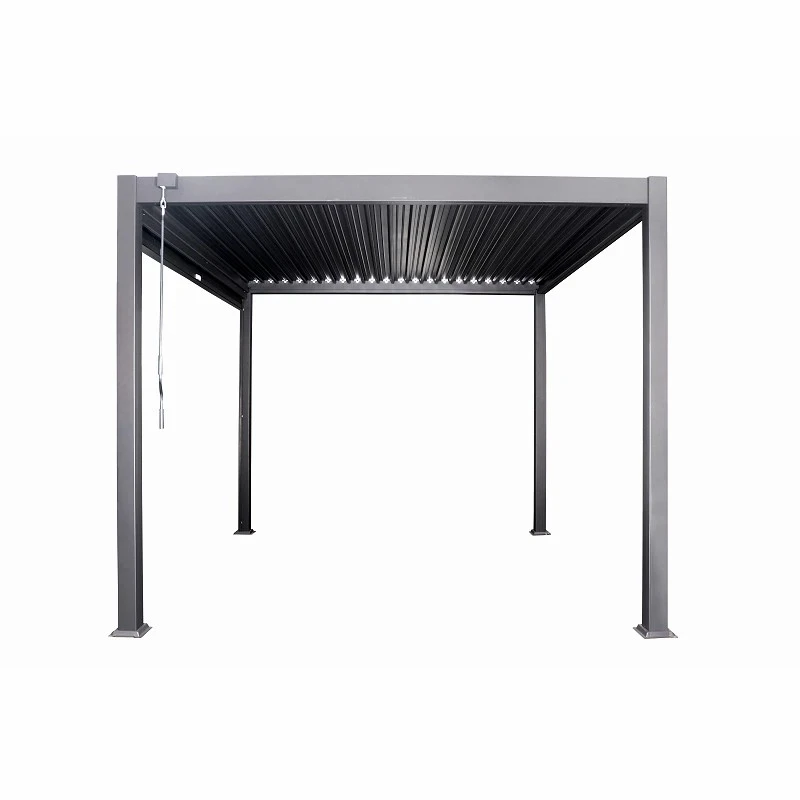
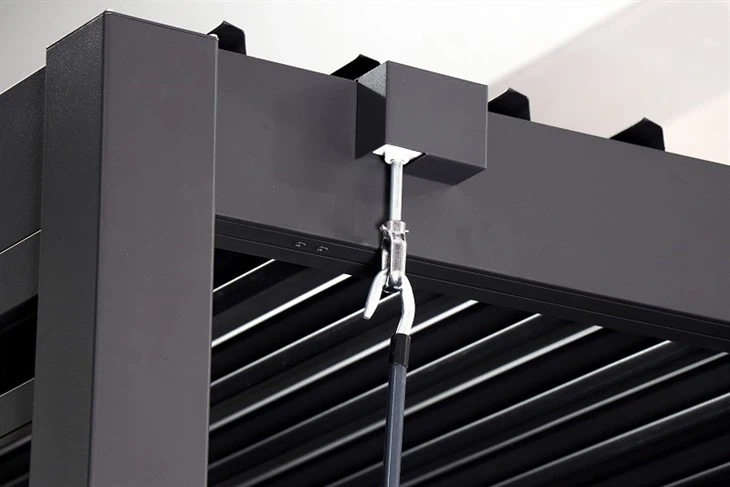
Aluminum is a popular material for commercial outdoor gazebos due to its durability and low maintenance requirements. Aluminum Outdoor Gazebo are resistant to rust and corrosion, making them suitable for all - weather conditions. They are also lightweight, which makes installation and transportation easier. Additionally, aluminum gazebos can be powder - coated in a variety of colors to match the commercial property's aesthetic.
2. Outdoor Gazebo Cover
A high - quality Outdoor Gazebo Cover is essential for providing shade and protection from the elements. Covers can be made from various materials such as polyester, canvas, or vinyl. Polyester covers are often treated with UV - resistant coatings to block harmful sun rays, while canvas covers offer a more natural and rustic look. Vinyl covers are waterproof and easy to clean, making them ideal for areas with heavy rain or snow.
3. Custom - Built Gazebos
For businesses with specific requirements, custom - built gazebos are an excellent option. These gazebos can be designed to fit the exact dimensions and style of the commercial space. They can also incorporate special features such as built - in lighting, heating, or ventilation systems. Our Aluminum Outdoor Gazebo factory has the expertise to create unique and functional gazebos tailored to your business needs.
Considerations for Using Outdoor Shade Gazebos in Commercial Settings
1. Local Regulations
Before installing an outdoor shade gazebo in a commercial setting, it is important to check local building codes and regulations. Some areas may have restrictions on the size, height, and placement of outdoor structures. You may also need to obtain permits for construction or occupancy. Failure to comply with these regulations can result in fines or the removal of the gazebo.
2. Safety
Safety should be a top priority when using outdoor shade gazebos in a commercial environment. The gazebo should be properly installed and anchored to prevent it from being blown away by strong winds. It should also be designed to withstand the weight of snow and ice in colder climates. Additionally, the materials used should be fire - resistant and free from any sharp edges or hazards that could cause injury to customers or employees.
3. Maintenance
Regular maintenance is essential to keep the outdoor shade gazebo in good condition. This includes cleaning the cover, checking for any signs of damage or wear, and tightening any loose bolts or screws. Depending on the material, the cover may need to be replaced every few years. By following a maintenance schedule, you can extend the lifespan of the gazebo and ensure its continued functionality.
4. Capacity
When using a gazebo for commercial purposes, it is important to determine the appropriate capacity. This will depend on the intended use of the space, such as the number of diners in a restaurant or the number of guests at an event. Overcrowding the gazebo can pose a safety risk and may also lead to a negative customer experience.
Conclusion
In conclusion, outdoor shade gazebos can be a valuable addition to a commercial setting. They offer numerous advantages, including versatile space utilization, enhanced customer experience, cost - effectiveness, and branding opportunities. By choosing the right type of gazebo, considering local regulations, ensuring safety, and performing regular maintenance, businesses can make the most of this outdoor structure.
If you are interested in using an outdoor shade gazebo for your commercial property, I encourage you to contact us for more information. Our team of experts can help you select the best gazebo for your needs and provide you with a detailed quote. We look forward to working with you to create a functional and attractive outdoor space for your business.
References
- "Commercial Outdoor Structures: Design and Installation Guide" by Outdoor Building Association
- "Materials for Outdoor Gazebos: A Comparative Analysis" in the Journal of Architectural Materials