
Can I use an outdoor shade gazebo for a vegetable garden shade?
As an outdoor shade gazebo supplier, I often get asked this question by gardening enthusiasts looking to protect their precious vegetable plants from the harsh sun. In this blog post, I'll explore the feasibility, benefits, and considerations of using an outdoor shade gazebo for a vegetable garden.
Feasibility of Using an Outdoor Shade Gazebo for a Vegetable Garden
The short answer is yes, you can use an outdoor shade gazebo for a vegetable garden. Many vegetables, especially those in the leafy green category like lettuce, spinach, and kale, can benefit from some relief from the intense mid - day sun. High temperatures and direct sunlight can cause these vegetables to bolt, which means they start to produce flowers and seeds prematurely, and the leaves become bitter.
An outdoor shade gazebo provides a stable and permanent structure that can be customized to fit the size and layout of your vegetable garden. You can position it in a way that maximizes shade coverage during the hottest parts of the day.
Benefits of Using an Outdoor Shade Gazebo
Temperature Regulation
One of the primary benefits is temperature regulation. By providing shade, the gazebo can reduce the temperature within the garden area. This is particularly important during heatwaves when excessive heat can stress the plants and even lead to their death. A cooler environment allows vegetables to grow more steadily and maintain their flavor and nutritional value.
Protection from UV Rays
Ultraviolet (UV) rays can be harmful to plants. Prolonged exposure to strong UV radiation can damage the plant's DNA, disrupt photosynthesis, and make them more susceptible to diseases. An outdoor shade gazebo acts as a shield, blocking a significant portion of the UV rays and protecting your vegetables.
Reduced Evaporation
Shade helps to reduce evaporation from the soil. This means that you'll need to water your vegetable garden less frequently, saving both water and time. It also helps to maintain a more consistent level of soil moisture, which is crucial for the healthy growth of vegetables.
Protection from Pests and Birds
Some pests are attracted to the warmth and visibility of exposed vegetable gardens. A gazebo can act as a physical barrier, making it more difficult for pests like aphids, caterpillars, and birds to access your plants. This can reduce the need for chemical pesticides, making your garden more eco - friendly.

Types of Outdoor Shade Gazebos Suitable for Vegetable Gardens
Polyester Fabric Umbrella
A Polyester Fabric Umbrella is a cost - effective and flexible option. It can be easily adjusted to provide shade at different angles throughout the day. Polyester is a durable material that can withstand various weather conditions, including light rain and wind. You can choose from different sizes and colors to match the aesthetic of your garden.
Outdoor Gazebo Cover
An Outdoor Gazebo Cover is a great choice if you want a more permanent and enclosed solution. These covers are usually made of heavy - duty materials that offer excellent protection from the sun, rain, and wind. They can be customized to fit your existing gazebo frame and come in different styles, such as mesh or solid fabric.
Outdoor Shade Gazebo
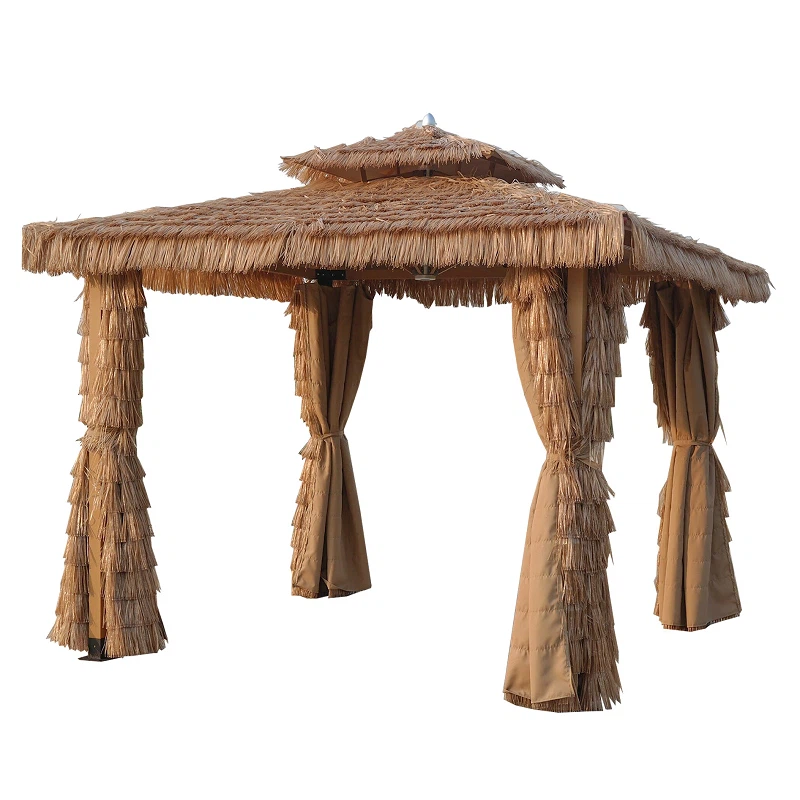
A purpose - built Outdoor Shade Gazebo is designed specifically for providing shade. It often has a more robust structure and is made of high - quality materials like steel or aluminum. These gazebos can be large enough to cover an entire vegetable garden and can be customized with features like ventilation panels and retractable sides.
Considerations When Using an Outdoor Shade Gazebo for a Vegetable Garden
Sunlight Requirements
While shade is beneficial, it's important to remember that vegetables still need sunlight for photosynthesis. Different vegetables have different sunlight requirements. For example, tomatoes, peppers, and cucumbers need at least 6 - 8 hours of direct sunlight per day, while leafy greens can tolerate 4 - 6 hours. You'll need to position the gazebo in a way that allows the vegetables to receive the appropriate amount of sunlight.
Ventilation
Proper ventilation is crucial to prevent the build - up of humidity and heat under the gazebo. Stagnant air can lead to the growth of mold and mildew, which can damage your plants. Make sure your gazebo has adequate ventilation, such as vents or open sides, to allow fresh air to circulate.
Watering
The shade provided by the gazebo may reduce the evaporation rate, but you still need to ensure that your vegetables are getting enough water. You may need to adjust your watering schedule and methods. For example, using a drip irrigation system can ensure that water is delivered directly to the roots of the plants.
Installation
Proper installation of the gazebo is essential for its stability and effectiveness. Make sure the gazebo is installed on a level surface and is securely anchored. This will prevent it from being damaged by strong winds or other weather conditions.
Tips for Using an Outdoor Shade Gazebo in a Vegetable Garden
Choose the Right Location
Select a location for your gazebo that takes into account the sun's path throughout the day. Place it in an area where it can provide shade during the hottest parts of the day while still allowing some sunlight to reach the vegetables.
Combine with Other Gardening Techniques
You can combine the use of a gazebo with other gardening techniques, such as companion planting. Planting complementary vegetables together can help to maximize space, improve soil health, and reduce the risk of pests and diseases.
Monitor Your Plants
Regularly monitor your vegetable plants for signs of stress, such as wilting, yellowing leaves, or slow growth. Adjust the position of the gazebo or the amount of shade as needed to ensure the optimal growth of your vegetables.
Conclusion
Using an outdoor shade gazebo for a vegetable garden is a practical and beneficial solution. It offers numerous advantages, including temperature regulation, protection from UV rays, reduced evaporation, and protection from pests. However, you need to consider factors such as sunlight requirements, ventilation, watering, and installation.
If you're interested in enhancing your vegetable garden with an outdoor shade gazebo, I encourage you to reach out for a consultation. We can help you choose the right type of gazebo based on your garden's size, layout, and your specific needs. Whether you're a beginner or an experienced gardener, an outdoor shade gazebo can be a valuable addition to your vegetable garden.
References
- "Gardening Basics: Sunlight Requirements for Vegetables" - Gardening Magazine
- "The Benefits of Shade in a Vegetable Garden" - Horticulture Research Journal
- "Choosing the Right Outdoor Shade Structure for Your Garden" - Outdoor Living Magazine