
As a supplier of outdoor extendable tables, I often receive inquiries from customers about using our products in various environments, especially in windy areas. This is a crucial question because the wind can pose significant challenges to the stability and functionality of outdoor furniture. In this blog, I'll delve into the factors you need to consider when using an outdoor extendable table in a windy area and provide some practical solutions.
Understanding the Impact of Wind on Outdoor Extendable Tables
Wind can affect outdoor extendable tables in several ways. Firstly, strong winds can create a significant amount of pressure on the table surface, potentially causing it to tip over. This is especially true for larger tables with a large surface area, as they present a greater target for the wind. Additionally, wind can cause the table to move around, which can be not only annoying but also dangerous if it collides with other objects or people.
Secondly, wind can also cause damage to the table itself. For example, if the wind blows debris such as branches or rocks onto the table, it can scratch or dent the surface. In extreme cases, strong winds can even break the table's structure, rendering it useless.
Finally, wind can also affect the extendable mechanism of the table. If the wind is too strong, it can make it difficult to extend or retract the table, and in some cases, it may even damage the mechanism.
Factors to Consider When Using an Outdoor Extendable Table in a Windy Area
Table Design and Construction
The design and construction of the table play a crucial role in its ability to withstand wind. Tables with a lower center of gravity are generally more stable and less likely to tip over. Look for tables with a wide base and a heavyweight design. Additionally, tables made from durable materials such as aluminum or steel are more likely to withstand the impact of wind and debris.
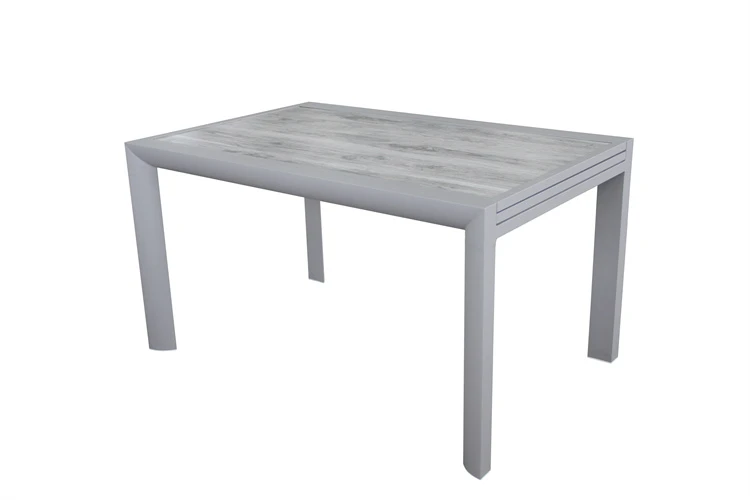
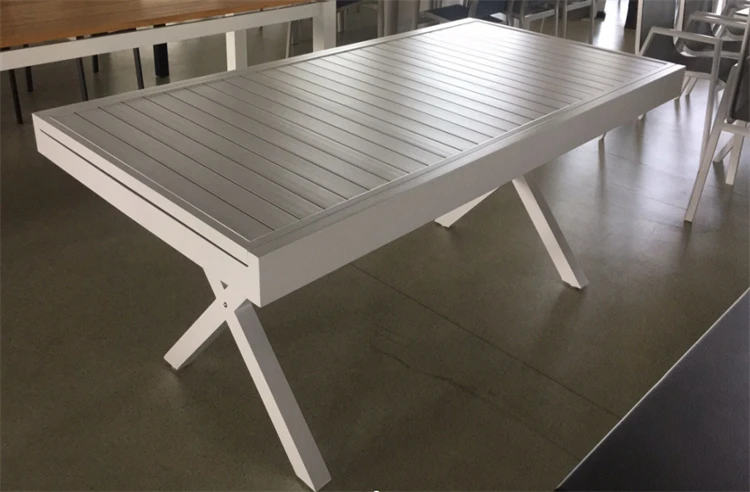
For example, our Extendable Garden Table Aluminium is designed with a sturdy aluminum frame that provides excellent stability. The wide base and heavyweight construction make it less likely to tip over in windy conditions.
Table Size and Shape
The size and shape of the table also affect its wind resistance. Larger tables with a large surface area are more susceptible to wind damage than smaller tables. Similarly, tables with a flat or rectangular shape are more likely to catch the wind than tables with a curved or irregular shape.
If you plan to use an outdoor extendable table in a windy area, it's best to choose a smaller table with a compact design. Our 8 Seater Extendable Garden Table is a great option for smaller spaces. It can be extended to accommodate up to eight people, but when not in use, it can be retracted to a more compact size, reducing its wind resistance.
Location and Placement
The location and placement of the table are also important factors to consider. Try to place the table in a sheltered area, such as under a tree or near a wall. This can help to reduce the impact of the wind on the table. Additionally, make sure the table is placed on a flat and stable surface to prevent it from tipping over.
If you don't have a sheltered area available, you can also use windbreaks to protect the table. For example, you can place a fence or a row of plants around the table to block the wind.
Maintenance and Care
Proper maintenance and care are essential to ensure the longevity of your outdoor extendable table. Regularly clean the table to remove any dirt or debris that may have accumulated on the surface. This can help to prevent scratches and damage to the table.
Additionally, make sure to store the table properly during the off-season. If you live in an area with harsh winters, it's best to store the table indoors to protect it from the elements.
Practical Solutions for Using an Outdoor Extendable Table in a Windy Area
Use Weights or Anchors
One of the simplest ways to increase the stability of your outdoor extendable table in a windy area is to use weights or anchors. You can place sandbags or weights on the table legs to prevent it from tipping over. Alternatively, you can use anchors to secure the table to the ground.
Install a Windbreak
As mentioned earlier, installing a windbreak can help to protect the table from the wind. You can use a variety of materials to create a windbreak, such as fences, plants, or even a tarp. Make sure to place the windbreak upwind of the table to block the wind.
Choose the Right Time to Use the Table
If you know that the wind is going to be strong, it's best to avoid using the table. Instead, wait for a calmer day to enjoy your outdoor dining experience. You can also check the weather forecast before using the table to ensure that the conditions are suitable.
Consider a Table with a Lower Profile
Tables with a lower profile are generally more wind-resistant than tables with a higher profile. Look for tables that are closer to the ground and have a smaller surface area. This can help to reduce the impact of the wind on the table.
Conclusion
In conclusion, it is possible to use an outdoor extendable table in a windy area, but it requires careful consideration and planning. By choosing the right table design, size, and shape, and by taking appropriate measures to protect the table from the wind, you can enjoy your outdoor dining experience even in windy conditions.
If you're interested in purchasing an outdoor extendable table for your windy area, please don't hesitate to contact us. We offer a wide range of high-quality outdoor extendable tables that are designed to withstand the elements. Our team of experts can help you choose the right table for your needs and provide you with all the information you need to ensure its proper use and maintenance.
Let's start a conversation about your outdoor furniture requirements and find the perfect solution for you!
References
- Outdoor Furniture Association. (2023). Best Practices for Outdoor Furniture in Windy Conditions.
- Smith, J. (2022). The Impact of Wind on Outdoor Furniture: A Comprehensive Guide. Journal of Outdoor Living, 15(2), 45-52.