

Polyester fabric umbrellas have become a popular choice for many consumers due to their durability, affordability, and wide range of colors and designs. As a supplier of polyester fabric umbrellas, I often receive questions from customers about various aspects of these umbrellas, one of the most common being whether they are noisy in the wind. In this blog post, I will delve into this topic, exploring the factors that contribute to noise and providing insights based on scientific principles and practical experience.
Understanding Polyester Fabric
Before we discuss the noise issue, it's important to understand the properties of polyester fabric. Polyester is a synthetic fiber made from polymers derived from petroleum. It is known for its strength, wrinkle resistance, and quick-drying capabilities. These properties make it an ideal material for umbrellas, as it can withstand the rigors of daily use and provide reliable protection from the elements.
However, polyester fabric also has some characteristics that can potentially contribute to noise in the wind. For example, its smooth surface can cause air to flow over it in a turbulent manner, creating vibrations that are audible as noise. Additionally, the stiffness of the fabric can affect how it responds to wind forces, with stiffer fabrics generally producing more noise than softer ones.
Factors Affecting Noise in Polyester Fabric Umbrellas
Several factors can influence whether a polyester fabric umbrella is noisy in the wind. Let's take a closer look at each of these factors:
1. Wind Speed and Direction
The speed and direction of the wind play a significant role in determining how noisy an umbrella will be. Stronger winds are more likely to cause the fabric to flap and vibrate, resulting in increased noise. Additionally, wind blowing at an angle to the umbrella can create more turbulence and noise than wind blowing directly against it.

2. Umbrella Design
The design of the umbrella can also affect its noise level. Umbrellas with a larger surface area are more likely to catch the wind and produce noise, as there is more fabric for the wind to act upon. Similarly, umbrellas with a more complex shape or structure, such as those with multiple ribs or a curved canopy, may be more prone to noise due to the increased airflow around the umbrella.
3. Fabric Quality and Thickness
The quality and thickness of the polyester fabric used in the umbrella can have a significant impact on its noise level. Higher-quality fabrics are generally more tightly woven and have a smoother surface, which can reduce the amount of turbulence and noise generated by the wind. Thicker fabrics may also be less likely to flap and vibrate in the wind, resulting in a quieter umbrella.
4. Rib Construction
The construction of the umbrella ribs can also affect its noise level. Ribs that are too flexible or too stiff may cause the fabric to flap and vibrate more easily, resulting in increased noise. Umbrellas with well-designed ribs that provide a good balance of flexibility and stiffness are generally less noisy.
Scientific Explanation of Noise Generation
To understand why polyester fabric umbrellas can be noisy in the wind, it's helpful to look at the scientific principles behind noise generation. When wind blows over an object, it creates a pressure difference on either side of the object. This pressure difference can cause the object to vibrate, which in turn produces sound waves that we perceive as noise.
In the case of a polyester fabric umbrella, the wind blowing over the canopy creates a pressure difference between the top and bottom of the fabric. This pressure difference causes the fabric to vibrate, and the frequency and amplitude of these vibrations determine the pitch and volume of the noise. The smooth surface of the polyester fabric can also cause the wind to flow over it in a turbulent manner, which can further increase the noise level.
Minimizing Noise in Polyester Fabric Umbrellas
While it may not be possible to completely eliminate noise in a polyester fabric umbrella, there are several steps that can be taken to minimize it. Here are some tips:
1. Choose a High-Quality Umbrella
Investing in a high-quality umbrella made from a well-woven polyester fabric can significantly reduce the amount of noise generated by the wind. Look for umbrellas with a tight weave and a smooth surface, as these are less likely to flap and vibrate.
2. Opt for a Smaller Umbrella
Umbrellas with a smaller surface area are generally less noisy than larger ones, as there is less fabric for the wind to act upon. If noise is a concern, consider choosing a compact or travel-sized umbrella.
3. Select an Umbrella with a Simple Design
Umbrellas with a simple design, such as a straight canopy and a single layer of fabric, are generally less noisy than those with a more complex design. Avoid umbrellas with multiple ribs or a curved canopy, as these can create more turbulence and noise.
4. Check the Rib Construction
Make sure the umbrella has well-designed ribs that provide a good balance of flexibility and stiffness. Ribs that are too flexible or too stiff can cause the fabric to flap and vibrate more easily, resulting in increased noise.
5. Maintain Your Umbrella
Proper maintenance of your umbrella can also help to reduce noise. Keep the fabric clean and dry, and avoid folding or storing the umbrella in a way that could damage the fabric or ribs.
Our Polyester Fabric Umbrellas
As a supplier of polyester fabric umbrellas, we take pride in offering high-quality products that are designed to minimize noise in the wind. Our umbrellas are made from premium-grade polyester fabric that is tightly woven and has a smooth surface, which helps to reduce turbulence and noise. We also use well-designed ribs that provide a good balance of flexibility and stiffness, ensuring that our umbrellas are durable and quiet.
In addition to our standard umbrellas, we also offer a range of custom-designed umbrellas that can be tailored to your specific needs and preferences. Whether you're looking for an umbrella with a unique design, a specific color, or a custom logo, we can help you create the perfect umbrella for your brand or event.
Other Outdoor Products
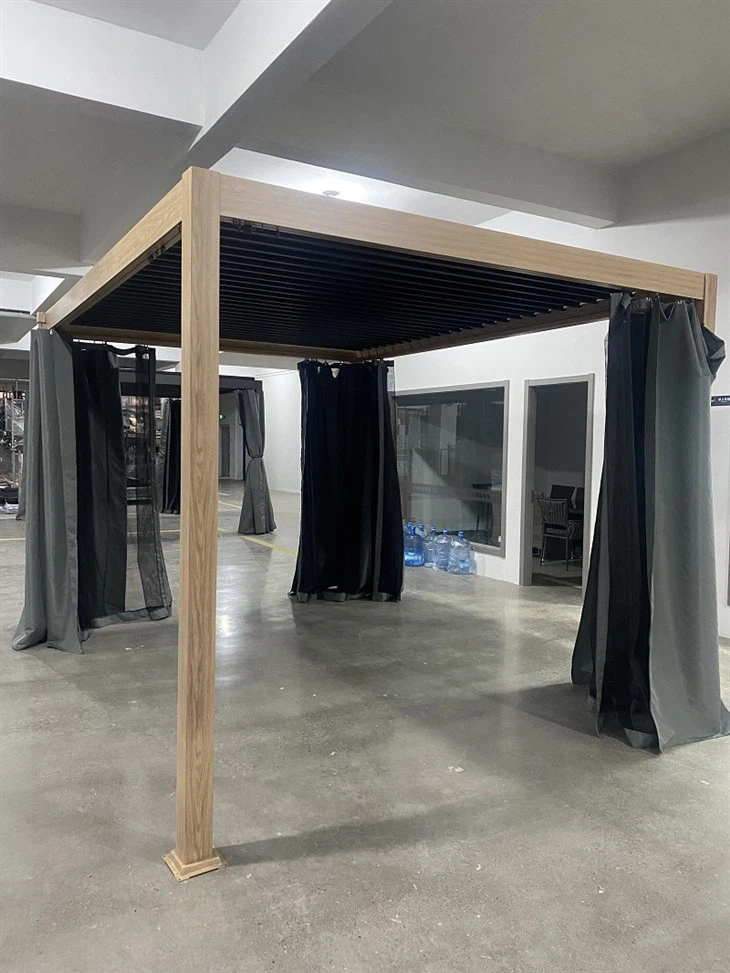
In addition to our polyester fabric umbrellas, we also offer a range of other outdoor products, including Outdoor Shade Gazebo, Extra Large Outdoor Canopy, and Outdoor Gazebo Cover. These products are made from high-quality materials and are designed to provide reliable protection from the sun and rain.
If you're interested in learning more about our outdoor products or would like to place an order, please don't hesitate to contact us. Our team of experts is always available to answer your questions and help you find the perfect product for your needs.
Conclusion
In conclusion, while polyester fabric umbrellas can be noisy in the wind, there are several factors that can influence the noise level, including wind speed and direction, umbrella design, fabric quality and thickness, and rib construction. By choosing a high-quality umbrella, opting for a smaller size, selecting a simple design, checking the rib construction, and maintaining your umbrella properly, you can minimize the amount of noise generated by the wind.
As a supplier of polyester fabric umbrellas, we are committed to providing our customers with high-quality products that are designed to meet their needs and exceed their expectations. If you're interested in learning more about our umbrellas or would like to place an order, please contact us today. We look forward to hearing from you!
References
- "Polyester Fabric: Properties, Uses, and Care." The Spruce Crafts, https://www.thesprucecrafts.com/polyester-fabric-4122874.
- "How Umbrellas Work." HowStuffWorks, https://science.howstuffworks.com/transport/engines-equipment/umbrella.htm.
- "Noise Pollution: Causes, Effects, and Solutions." World Wildlife Fund, https://www.worldwildlife.org/stories/noise-pollution-causes-effects-and-solutions.