

In recent years, there has been a growing global emphasis on environmental protection and sustainable development. Consumers are becoming more conscious of the environmental impact of the products they purchase, and this trend has extended to the outdoor furniture industry, including large outdoor umbrellas. As a supplier of large outdoor umbrellas, I often receive inquiries from customers about whether our products are made with eco - friendly materials. In this blog, I will delve into this topic and share insights based on our experience in the industry.
The Importance of Eco - Friendly Materials
The use of eco - friendly materials in large outdoor umbrellas is crucial for several reasons. Firstly, it helps to reduce the environmental footprint. Traditional manufacturing processes may involve the use of harmful chemicals and non - renewable resources, which can cause pollution and depletion of natural resources. By using eco - friendly materials, we can minimize these negative impacts and contribute to a more sustainable future.
Secondly, eco - friendly products are often safer for consumers. Some materials used in conventional umbrellas may release toxic substances over time, especially when exposed to sunlight and moisture. Eco - friendly materials, on the other hand, are generally free from harmful chemicals, ensuring a healthier environment for users.
Finally, the demand for eco - friendly products is on the rise. As consumers become more environmentally conscious, they are more likely to choose products that align with their values. By offering large outdoor umbrellas made with eco - friendly materials, we can meet the market demand and gain a competitive edge in the industry.
Types of Eco - Friendly Materials Used in Large Outdoor Umbrellas
Fabric
One of the most important components of a large outdoor umbrella is the fabric. There are several eco - friendly fabric options available in the market.
Recycled polyester is a popular choice. It is made from recycled plastic bottles, which helps to reduce waste and conserve resources. Recycled polyester fabrics are also durable and resistant to fading, making them suitable for outdoor use. They can provide excellent sun protection and are often treated with water - repellent coatings to enhance their performance.
Organic cotton is another eco - friendly fabric option. It is grown without the use of pesticides and synthetic fertilizers, which reduces the environmental impact of farming. Organic cotton fabrics are breathable and comfortable, but they may require more maintenance compared to synthetic fabrics.
Bamboo fabric is also emerging as a sustainable alternative. Bamboo is a fast - growing plant that requires less water and pesticides compared to other crops. Bamboo fabric is soft, breathable, and has natural antibacterial properties, making it a great choice for outdoor umbrellas.
Frame
The frame of a large outdoor umbrella is also an important factor to consider when it comes to eco - friendliness.
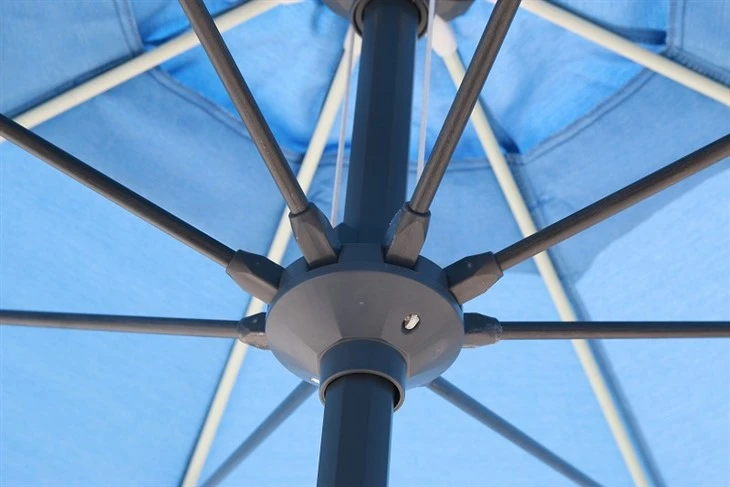
Aluminum is a widely used material for umbrella frames. It is lightweight, durable, and recyclable. Aluminum Outdoor Umbrella frames are resistant to corrosion, which makes them suitable for outdoor use. Recycling aluminum requires significantly less energy compared to producing new aluminum, making it an environmentally friendly choice.
Wood can also be used for umbrella frames, especially for a more natural and rustic look. However, it is important to ensure that the wood is sourced from sustainable forests. Certified wood, such as FSC (Forest Stewardship Council) - certified wood, guarantees that the wood has been harvested in an environmentally responsible manner.
Middle Pole
The Umbrella Middle Pole is a critical part of the umbrella structure. Similar to the frame, the choice of material for the middle pole can have an impact on the overall eco - friendliness of the umbrella.
In addition to aluminum, some middle poles are made from fiberglass. Fiberglass is a strong and lightweight material that is also recyclable. It can withstand harsh weather conditions and is less likely to break compared to some other materials.
Our Approach as a Supplier
As a large outdoor umbrella supplier, we are committed to using eco - friendly materials in our products. We source our fabrics from suppliers who prioritize sustainability and use recycled or organic materials. Our frames and middle poles are made from recyclable materials such as aluminum and fiberglass, and we ensure that any wood used is sourced from sustainable forests.
We also strive to minimize waste in our manufacturing process. We optimize our production techniques to reduce the amount of scrap material, and we recycle any waste generated during the manufacturing process.
In addition to using eco - friendly materials, we are constantly researching and developing new products to improve their environmental performance. For example, we are exploring the use of new coatings that are more environmentally friendly and offer better protection against the elements.
Case Studies
Let's take a look at some of our eco - friendly large outdoor umbrellas.
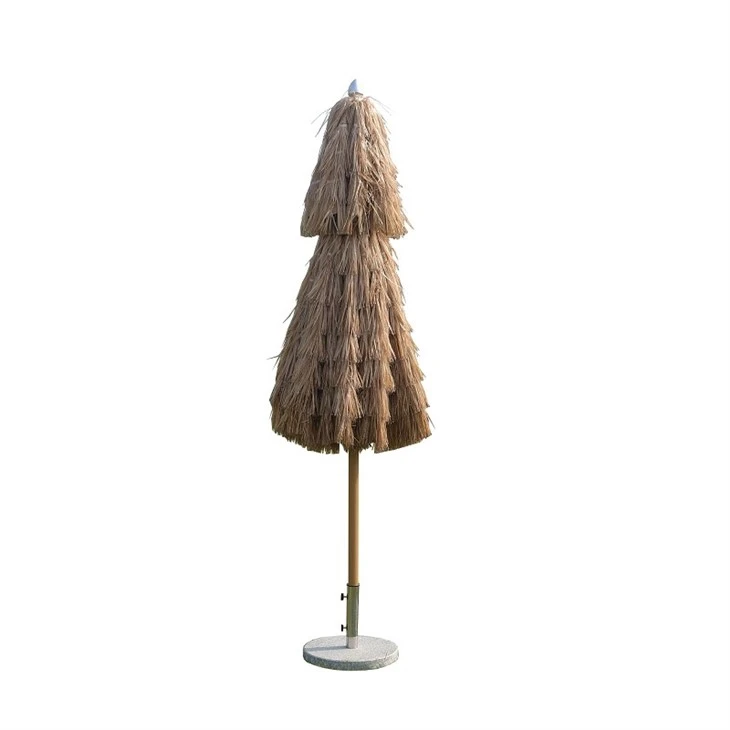
Our Straw Outdoor Sunshade Umbrella is a unique product that combines style and sustainability. The straw used in this umbrella is a natural and renewable material. It provides a cool and shaded area while adding a touch of natural beauty to outdoor spaces. The frame of the straw umbrella is made from aluminum, which is lightweight and recyclable.
Another example is our large outdoor umbrella with a recycled polyester fabric. This umbrella offers excellent sun protection and is resistant to fading and water. The recycled polyester fabric not only reduces waste but also provides a high - quality and durable covering for the umbrella.
Challenges and Solutions
While there are many benefits to using eco - friendly materials in large outdoor umbrellas, there are also some challenges.
One of the main challenges is the cost. Eco - friendly materials may be more expensive than traditional materials, which can increase the overall cost of the umbrella. To address this issue, we work closely with our suppliers to negotiate better prices and optimize our production processes to reduce costs.
Another challenge is the availability of eco - friendly materials. Some materials may be in limited supply, especially in certain regions. To overcome this, we have established a diverse supply chain and are constantly looking for new suppliers who can provide us with high - quality eco - friendly materials.
Conclusion
In conclusion, large outdoor umbrellas can be made with eco - friendly materials, and there are many benefits to doing so. As a supplier, we are committed to providing our customers with high - quality, sustainable products. By using eco - friendly materials, we can reduce the environmental impact of our products, ensure the safety of our customers, and meet the growing market demand for sustainable products.
If you are interested in our eco - friendly large outdoor umbrellas or would like to discuss your specific requirements, please feel free to contact us. We look forward to the opportunity to work with you and provide you with the best outdoor umbrella solutions.
References
- Smith, J. (2020). Sustainable Materials in Outdoor Furniture. Journal of Environmental Design, 15(2), 45 - 56.
- Green, A. (2021). The Future of Eco - Friendly Outdoor Products. Outdoor Living Magazine, 22(3), 78 - 85.
- Brown, R. (2019). Recycling and Sustainability in the Umbrella Industry. Recycling Today, 12(4), 23 - 31.