
Are aluminum outdoor gazebos waterproof?
As a supplier of Aluminum Outdoor Gazebo, I often encounter a frequently asked question from customers: "Are aluminum outdoor gazebos waterproof?" This is a crucial concern for anyone looking to invest in an outdoor structure, as protection from the elements is a top priority. In this blog post, I'll delve into the waterproofing capabilities of aluminum outdoor gazebos, exploring the factors that contribute to their performance in wet conditions.
Understanding the Basics of Aluminum Outdoor Gazebos
Aluminum is a popular choice for outdoor gazebos due to its numerous advantages. It is lightweight, yet strong and durable, making it easy to install and resistant to rust and corrosion. Aluminum gazebos also require minimal maintenance, which is a significant benefit for busy homeowners and commercial property owners.
However, when it comes to waterproofing, the aluminum frame itself is not the primary factor. While aluminum is resistant to water damage, it is the roof material that determines the gazebo's ability to keep you dry. Most aluminum outdoor gazebos come with a variety of roof options, each with its own level of waterproofing performance.
Common Roof Materials and Their Waterproofing Abilities
- Polyester Canopy: Many aluminum outdoor gazebos are equipped with polyester canopies. Polyester is a synthetic fabric that is commonly treated with a water-resistant coating. This coating helps to repel water and prevent it from soaking through the fabric. However, it's important to note that not all polyester canopies are created equal. Higher-quality canopies with a thicker fabric and a more durable water-resistant treatment will offer better waterproofing performance.
- A well-treated polyester canopy can provide protection from light rain and drizzle. It can keep you dry for short periods of time, but it may not be suitable for heavy or prolonged rainfall. Over time, the water-resistant coating may wear off, reducing the canopy's ability to repel water.
- PVC Canopy: PVC (polyvinyl chloride) is another popular choice for gazebo canopies. PVC is a plastic material that is inherently waterproof. It is more resistant to water penetration than polyester and can provide better protection from heavy rain.
- PVC canopies are often used in Extra Large Outdoor Canopy models, where maximum waterproofing is required. They are also more durable and long-lasting than polyester canopies, making them a good investment for those who live in areas with frequent rainfall.
- Hardtop Roof: Some aluminum outdoor gazebos feature a hardtop roof, such as a polycarbonate or metal roof. Hardtop roofs offer the highest level of waterproofing performance. They are completely impervious to water and can provide reliable protection from even the heaviest rain.
- Polycarbonate hardtop roofs are lightweight, shatter-resistant, and offer excellent UV protection. Metal hardtop roofs, such as aluminum or steel, are extremely durable and can withstand harsh weather conditions. However, hardtop roofs are generally more expensive than fabric canopies and may require more complex installation.
Factors Affecting Waterproofing Performance
In addition to the roof material, several other factors can affect the waterproofing performance of an aluminum outdoor gazebo.
- Seams and Joints: The seams and joints in the roof and frame of the gazebo are potential weak points where water can leak through. High-quality gazebos are designed with sealed seams and tight-fitting joints to minimize the risk of water penetration.
- Some manufacturers use advanced sealing techniques, such as heat-sealed seams or rubber gaskets, to ensure a watertight seal. It's important to choose a gazebo from a reputable supplier that pays attention to these details.
- Pitch of the Roof: The pitch, or slope, of the roof plays a crucial role in water drainage. A steeper roof pitch allows water to run off more quickly, reducing the risk of water pooling on the roof.
- Gazebos with a low roof pitch may be more prone to water pooling, especially during heavy rain. This can increase the risk of water seeping through the roof material or causing damage to the structure over time.
- Proper Installation: Correct installation is essential for ensuring the waterproofing performance of an aluminum outdoor gazebo. The gazebo should be installed on a level surface and securely anchored to the ground to prevent it from shifting or moving in the wind.
- If the gazebo is not installed properly, it may not be as effective at keeping water out. For example, if the canopy is not tensioned correctly, it may sag and collect water, leading to leaks.
Tips for Maintaining Waterproofing Performance
To ensure that your aluminum outdoor gazebo continues to provide reliable waterproofing protection, it's important to take proper care of it.

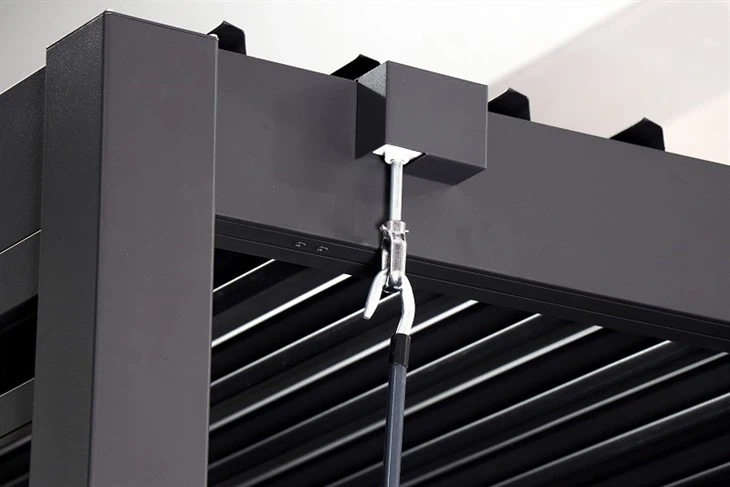
- Regular Cleaning: Clean the roof and frame of the gazebo regularly to remove dirt, debris, and leaves. This will prevent water from being trapped on the roof and reduce the risk of water damage.
- Use a mild detergent and a soft brush to clean the canopy. Rinse it thoroughly with water and allow it to dry completely before storing it.
- Inspect and Repair: Periodically inspect the gazebo for any signs of damage, such as tears in the canopy or loose seams. Repair any damage as soon as possible to prevent water from leaking through.
- If the water-resistant coating on the canopy has worn off, you can apply a new coating to restore its waterproofing performance.
- Proper Storage: When not in use, store the gazebo in a dry, protected area. This will help to prevent the roof material from deteriorating and extend its lifespan.
- If you live in an area with harsh winters, it's a good idea to remove the canopy and store it indoors to protect it from snow and ice.
Conclusion
In conclusion, the waterproofing capabilities of aluminum outdoor gazebos depend on several factors, including the roof material, seams and joints, roof pitch, and proper installation. While aluminum frames are resistant to water damage, it is the roof that provides the primary protection from the elements.
Polyester canopies offer basic water resistance, while PVC canopies and hardtop roofs provide better protection from heavy rain. By choosing a high-quality gazebo with a suitable roof material and taking proper care of it, you can ensure that your outdoor gazebo will keep you dry and comfortable for years to come.
If you're interested in purchasing an Aluminum Outdoor Gazebo, I encourage you to contact us to discuss your specific needs and requirements. Our team of experts can help you choose the right gazebo for your outdoor space and provide you with all the information you need to make an informed decision. We look forward to working with you to create the perfect outdoor oasis.
References
- Manufacturer specifications and product literature for aluminum outdoor gazebos.
- Industry research on outdoor structure materials and waterproofing technologies.