
Are aluminum outdoor gazebos fire - resistant?
As a supplier of aluminum outdoor gazebos, I often get asked about the fire - resistance of our products. This is a crucial question, especially considering the safety concerns that come with outdoor structures, especially in areas prone to wildfires or for those who enjoy outdoor cooking and fires. In this blog, I'll delve into the fire - resistant properties of aluminum outdoor gazebos, exploring the materials used, their behavior in the face of fire, and some safety considerations.
Understanding Aluminum as a Material
Aluminum is a popular choice for outdoor gazebos due to its many advantages. It is lightweight, corrosion - resistant, and relatively low - maintenance. When it comes to fire resistance, aluminum has some inherent properties that make it a good option.
Aluminum has a high melting point, around 660 degrees Celsius (1220 degrees Fahrenheit). This means that under normal fire conditions, it will not immediately melt or catch fire. Unlike some other metals, aluminum does not support combustion. When exposed to fire, it forms a thin layer of aluminum oxide on its surface. This oxide layer acts as a barrier, preventing further oxidation and protecting the underlying metal from rapid degradation.
However, it's important to note that while aluminum is fire - resistant, it is not fireproof. In extremely high - temperature fires, such as those in industrial settings or large wildfires, aluminum can eventually reach its melting point and lose its structural integrity.
The Role of the Roofing Material
The roofing material of an aluminum outdoor gazebo plays a significant role in its overall fire - resistance. Many of our aluminum outdoor gazebos come with different roofing options, and each has its own fire - related characteristics.
Polyester Fabric Roofing
One common roofing material is polyester fabric. Polyester is a synthetic material that has some level of fire - resistance. Most polyester fabrics used in outdoor applications are treated with fire - retardant chemicals. These chemicals slow down the spread of fire and reduce the likelihood of the fabric catching fire easily.
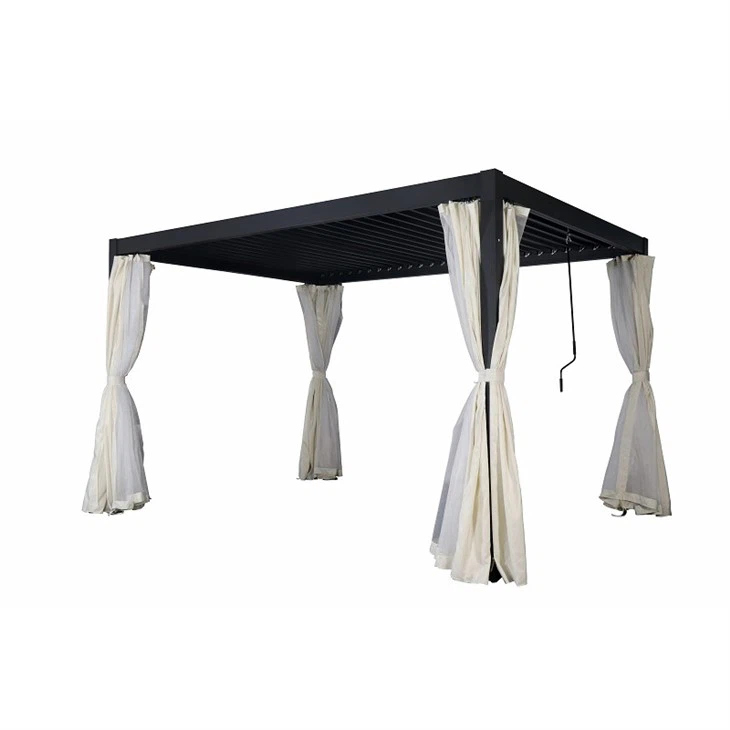

When considering a Polyester Fabric Umbrella, it's important to check the fire - retardant rating. A higher rating indicates better fire - resistance. However, polyester fabric is still a combustible material. If exposed to an open flame for an extended period, it will eventually burn.
Other Roofing Materials
Some aluminum outdoor gazebos may have roofing made of materials like polycarbonate or acrylic. Polycarbonate is known for its high impact resistance and also has some fire - resistant properties. It has a relatively high ignition temperature and will self - extinguish when the flame source is removed. Acrylic, on the other hand, is more flammable than polycarbonate but can also be treated with fire - retardant additives.
Safety Considerations
Even though aluminum outdoor gazebos have some fire - resistant properties, it's essential to take proper safety precautions.
Distance from Fire Sources
When installing an Aluminum Outdoor Gazebo, it should be placed at a safe distance from any potential fire sources. This includes fire pits, barbecues, and outdoor heaters. A general rule of thumb is to keep a distance of at least 10 feet between the gazebo and any open flame or heat source.
Regular Inspections
Regular inspections of the gazebo are necessary to ensure its fire - resistant properties are maintained. Check the roofing material for any signs of wear, tears, or damage. If the fire - retardant treatment on the fabric has worn off, it may need to be reapplied.
Fire Extinguishers
It's a good idea to have a fire extinguisher nearby when using an outdoor gazebo, especially if you plan to have a fire source in the vicinity. Make sure you and anyone using the gazebo know how to use the fire extinguisher properly.
Comparing with Other Outdoor Structures
When compared to other outdoor structures, aluminum outdoor gazebos generally have better fire - resistant properties than those made of wood. Wood is highly combustible and can quickly catch fire and spread flames. Metal structures like steel can also be fire - resistant, but aluminum has the advantage of being lighter and more corrosion - resistant.
Real - World Examples and Case Studies
There have been instances where aluminum outdoor gazebos have withstood small fires. For example, in a backyard barbecue accident where a grill flare - up occurred near a gazebo, the aluminum structure and the fire - retardant polyester roof prevented the fire from spreading further. The oxide layer on the aluminum protected the structure, and the treated fabric roof self - extinguished after the flame source was removed.
On the other hand, in large wildfires, even aluminum outdoor gazebos can be affected. The intense heat can cause the aluminum to warp and the roofing material to burn. However, in many cases, they can still provide some level of protection compared to more flammable structures.
Conclusion
In conclusion, aluminum outdoor gazebos are fire - resistant but not fireproof. The aluminum frame has inherent fire - resistant properties due to its high melting point and the formation of an oxide layer. The roofing material also plays a crucial role, and choosing a fire - retardant option is essential.
If you're considering purchasing an Aluminum Outdoor Gazebo, it's important to understand its fire - resistant capabilities and take appropriate safety measures. Whether you're using it for a backyard party, a poolside relaxation area, or an outdoor dining space, safety should always be a top priority.
If you're interested in learning more about our aluminum outdoor gazebos or have any questions regarding their fire - resistance, please feel free to reach out to us. We're here to help you make an informed decision and ensure you get the best outdoor structure for your needs.
References
- "Fire - Resistance of Metals" - Journal of Materials Science
- "Outdoor Building Materials and Fire Safety" - National Fire Protection Association
- Manufacturer's specifications for aluminum and roofing materials used in outdoor gazebos